Author: thematicdesign

  • Open Building Patch22, a highrise in wood

    Open Building Patch22, a highrise in wood

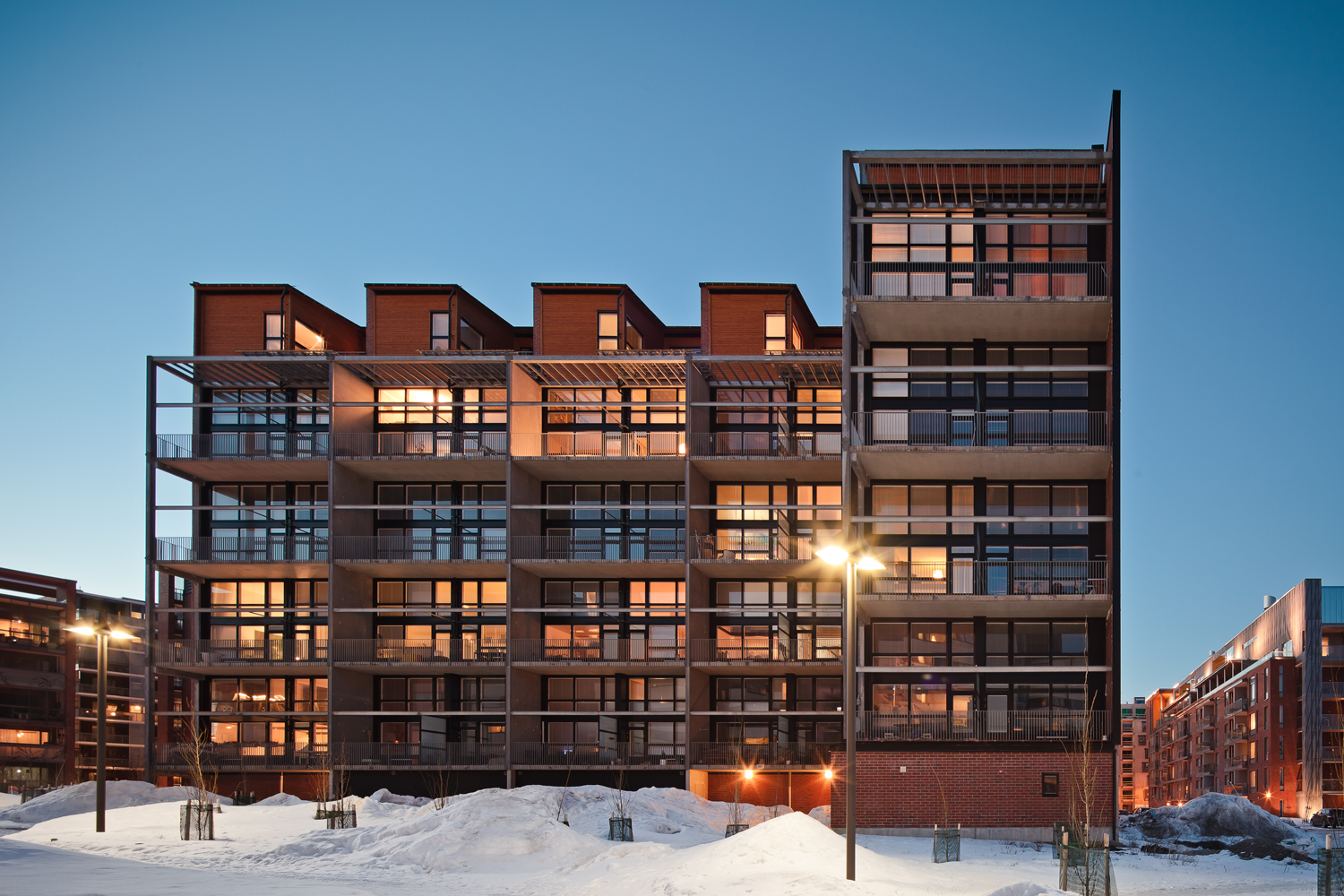
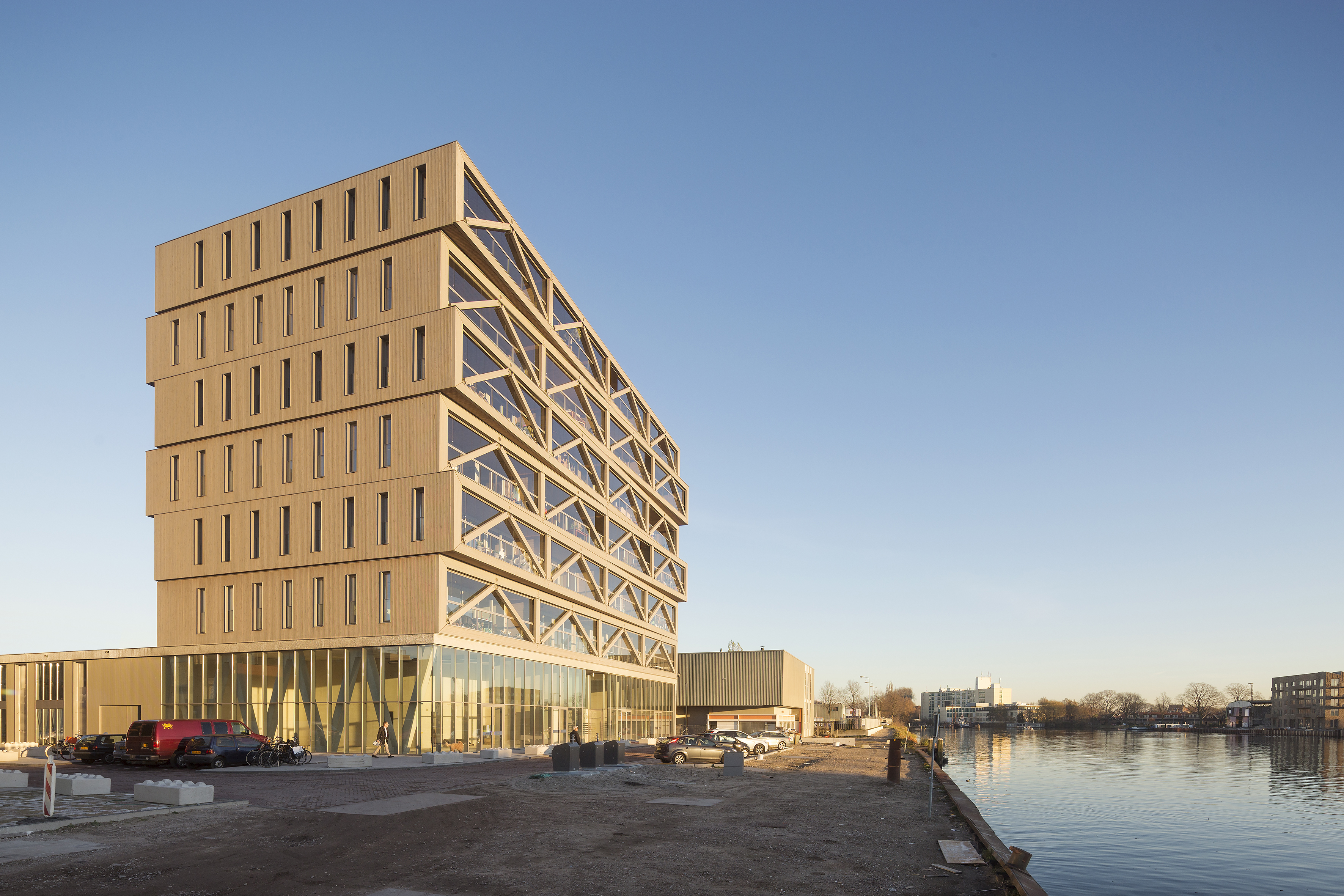
    PATCH22, a 30m tall high-rise in wood, was one of the successful plans in the Buiksloterham Sustainability Tender in 2009. The initiators, the architect Tom Frantzen and building-manager Claus Oussoren,founded Lemniskade Projects to achieve independently what they had never been able to manage when working on commissions for their previous clients:  an outsized wooden building with a great degree of flexibility, striking architecture and a high level of sustainability, not because that was what was required but because that is what ought to be done.

    The project was developed for their own account and risk in the middle of the crisis years of 2009-2014, and innovative financing solutions were conceived and implemented to meet this challenge. The project also incorporates numerous innovations in the technology used and application of technical rules, all aimed at achieving the desired flexibility without having to make compromises. Examples include the hollow floors and removable top floor, the lack of shafts in the apartments — achieved by having the piping and cabling taken horizontally to central shafts in the core — and agreements for a fixed ground lease with flexible positioning of the functions within the building. But the most unusual feature is the use of a wood as the main structure for the 30m-tall building. Moreover, the wood has largely been left visible, making this a key factor in the ambience of the apartments and the exterior.
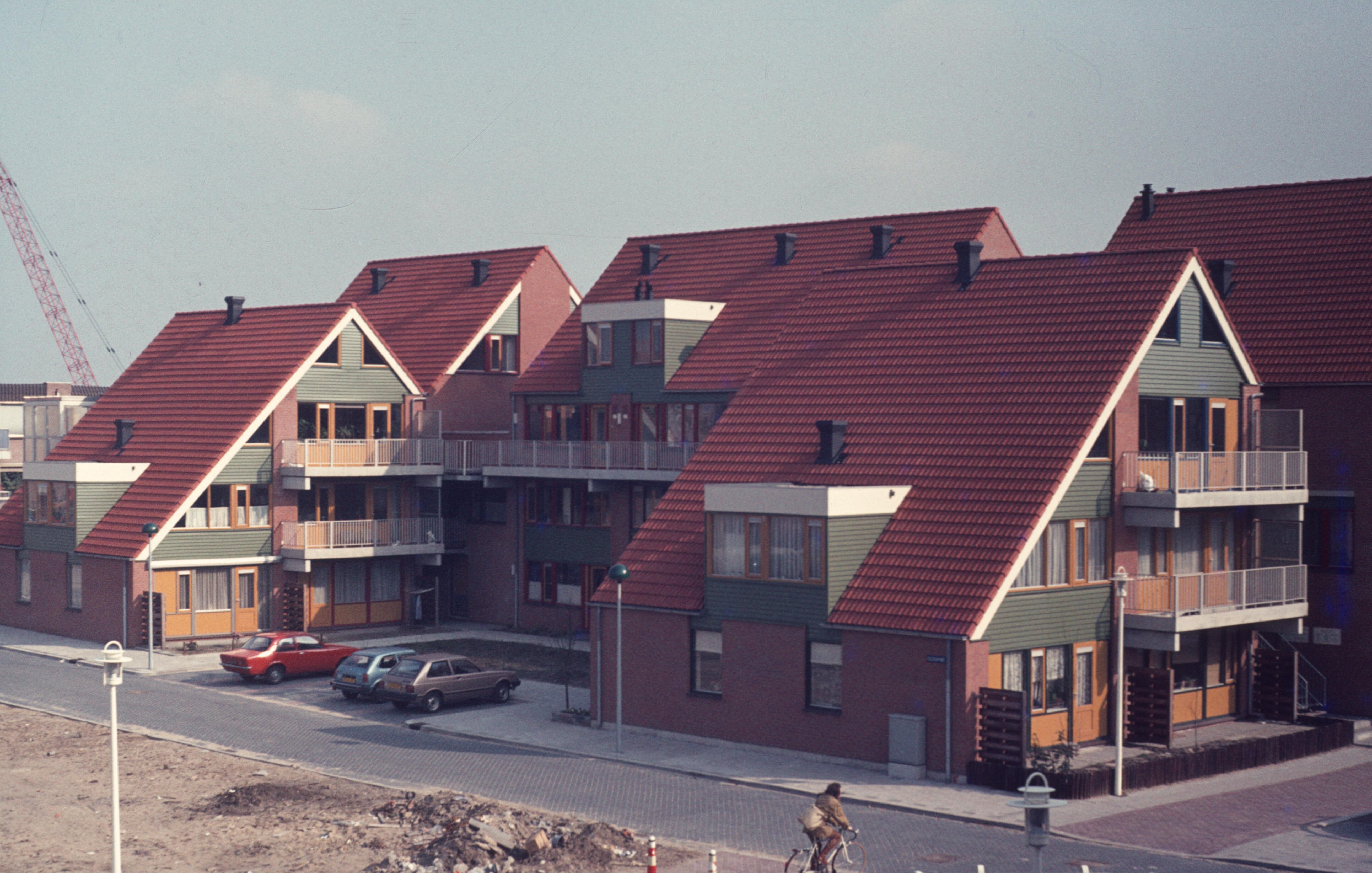
  • Open Building Experience 3.: “Keyenburg”, Rotterdam, the Netherlands, 1985

    Open Building Experience 3.: “Keyenburg”, Rotterdam, the Netherlands, 1985

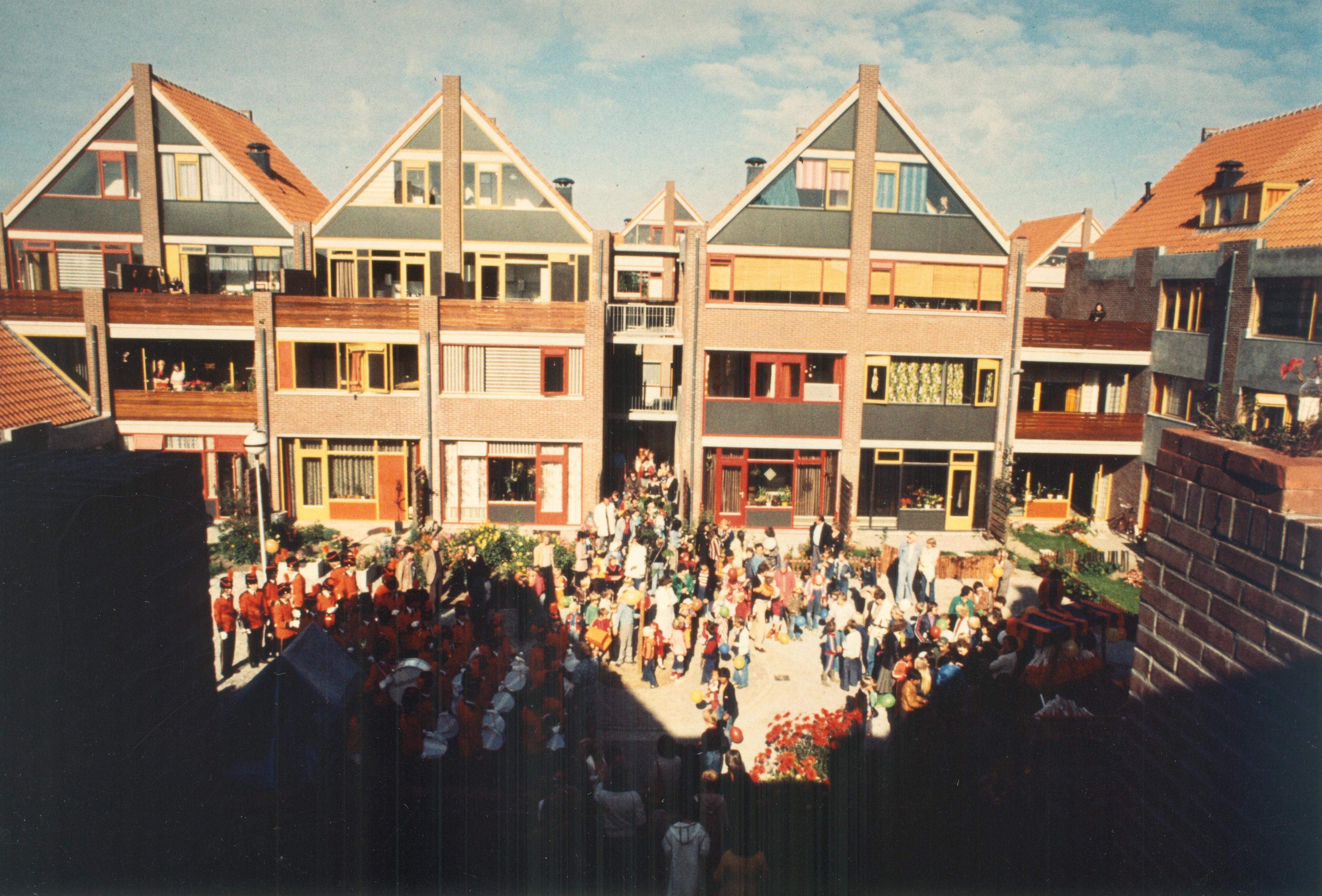
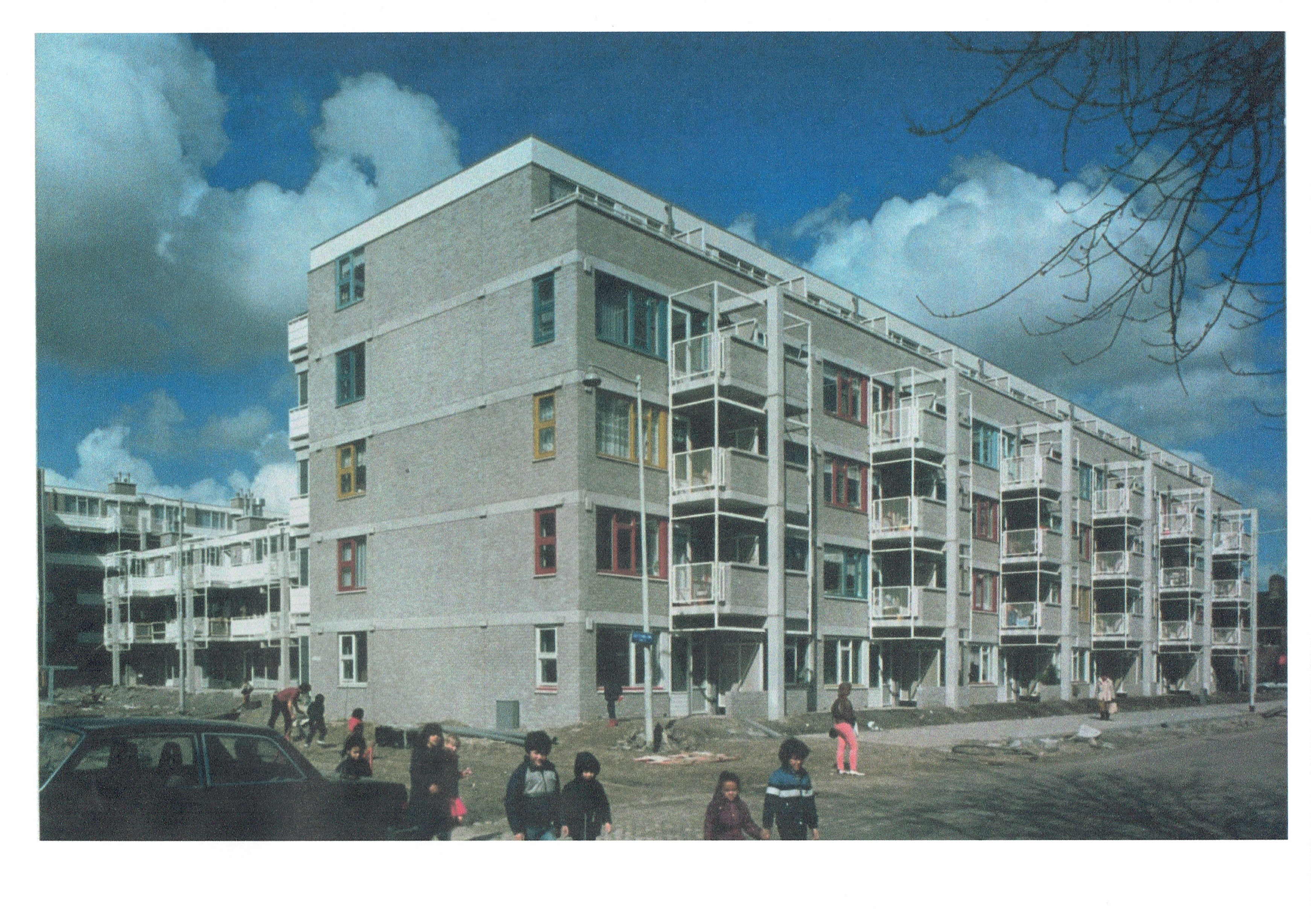
    On a plot in the district ‘Zuidwijk’ of the city of Rotterdam 152 rental apartments have been built for singles and couples, young and elderly: 115 two-person units of 48,60 m2, 32 one-person units of 41,85 m2, and 5 larger MIVA units for disabled people, all spread around a courtyard in 2 blocks of three floors and 2 blocks of five.

    The owner, housing association ‘Tuinstad Zuidwijk’, wanted a support structure to allow the change of small units into bigger ones later on, what happened in 2004. For the renters they wanted a free infill of their dwellings to favor different ways of living.

    The Keyenburg project (1985) was quite different from our previous support-infill projects Molenvliet (1978) en Lunetten (1981). It had a particular focus on cost saving by a simple building construction, a new infill cost calculation and a stringent application of modular coordination (MC) including building metrology. It has been the first official pilot project of a new Dutch MC standard, the NEN 2883.

    It also applied new tools in the process of design and participation. The full scale infill model of the Eindhoven University has now been utilized very realistic in a hall near the building site and the office where the user consultation took place. And above all, a new computer program related drawings directly to cost and rent calculation so that users could decide immediately about infill and rent.

  • Open Building Experience 2.: “Lunetten 4D”, Utrecht, the Netherlands, 1981-82

    Open Building Experience 2.: “Lunetten 4D”, Utrecht, the Netherlands, 1981-82

    This Open Building project has been built in the center area of ‘Lunetten’, a new district in the south-west of the city of Utrecht, the Netherlands. It includes 262 dwellings, 173 rooms and 360m2 office space. The urban tissue of the project was a follow up of the ‘Molenvliet’ tissue model in Papendrecht: a high density low-rise fabric around front and back courtyards. But Here in Utrecht the model has been applied in new way: not on one area, but on different locations, mixed with other projects: a shopping center, a community center, a school and a housing center for elderly. Access galleries of the last link directly with our housing blocs B and C so that elevators of the elderly can be used by disabled occupants of our project. Different architects worked together to realize this urban fabric.

  • TILA open building project in Helsinki

    TILA open building project in Helsinki

    The Tila housing block, comprising 39 loft apartments, is a pilot project for neo-loft apartments in Helsinki, Arabianranta. The concept is based on an open construction system: within the available building frame the resident determines and builds the required subdivisions. The flats are occupiable at the moment of purchase, but become completely habitable with the installation of kitchen furniture. The residents can build individual rooms or expand their flat with gallery-type spaces, because the height of the main space is five metres.

  • OPEN BUILDING EXPERIENCE: 1. “MOLENVLIET” PAPENDRECHT 1978

    OPEN BUILDING EXPERIENCE: 1. “MOLENVLIET” PAPENDRECHT 1978

    After years of practice I will present my experience with Open Building, based on the design principles of the Foundation for Architectural Research, SAR.12

    I start with the project “Molenvliet” in Papendrecht, the Netherlands.

    (more…)

  • FLEX 4.0, a practical instrument to assess the adaptive capacity of buildings

    Adaptive buildings are green buildings. But the question is: how to measure green? A direct connection can be made between adaptive building and sustainability. Market developments show increased demands for flexibility and sustainability by users and owners as well as a growing understanding of the importance of a circular economy. Since 2014 a research project at the Delft University has been investigating the adaptive capacity of buildings. As one of the results several versions of an instrument to assess the adaptive capacity of buildings have been developed since. The last version FLEX 4.0, amongst others based on the support and infill theory of Habraken [1], is described in detail in this paper, including all flexibility key performance indicators, the different default weighting factors, their assessment values and some examples to determine the flexibility class of buildings. This paper thus presents a complete assessment instrument that can be used in practice.

    © 2016 The Authors. Published by Elsevier Ltd.
    Peer-review under responsibility of the organizing committee of the SBE16 Tallinn and Helsinki Conference.

  • SEOULUTIONS

    SEOULUTIONS

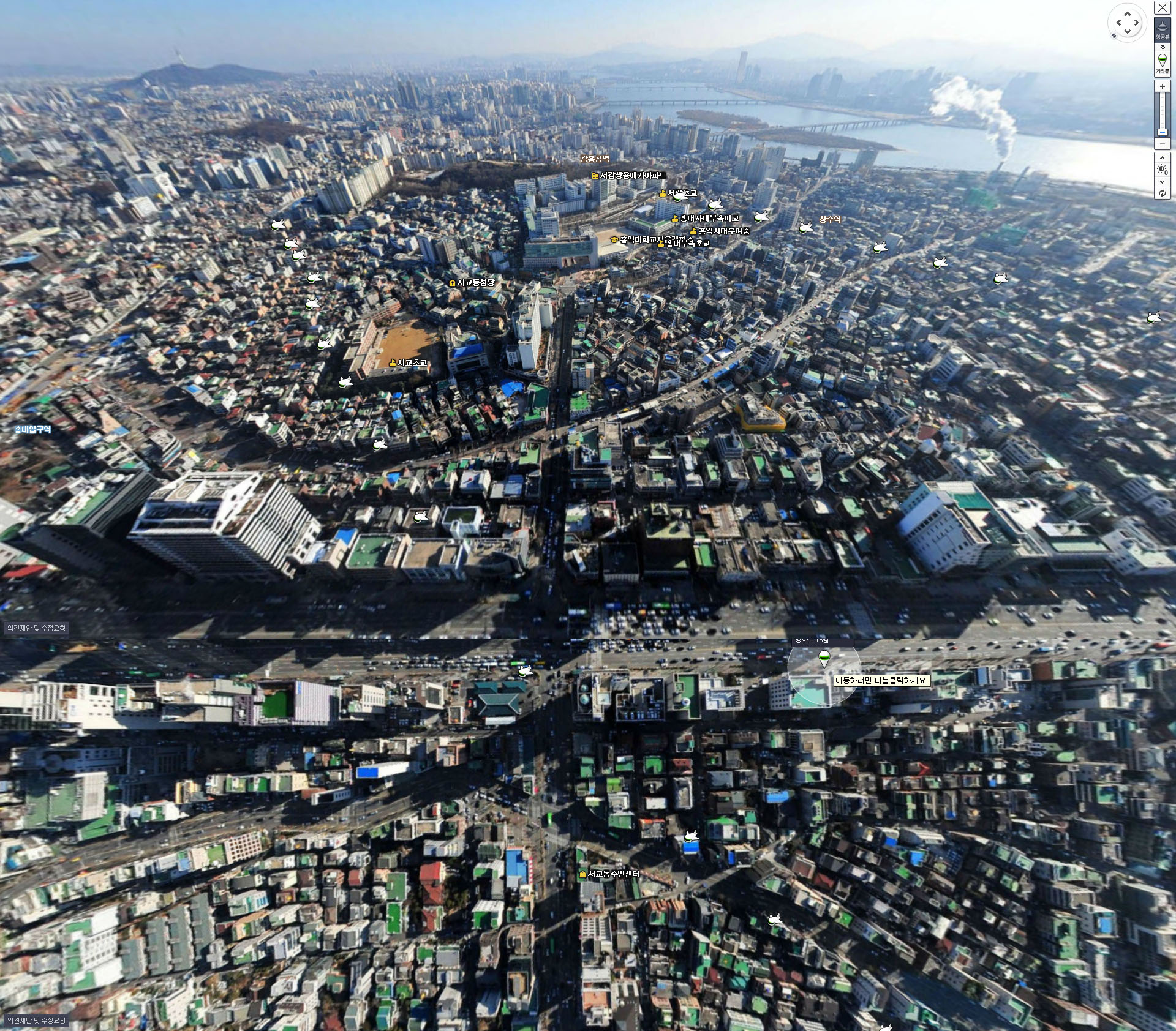
    Bart Reuser is partner of Amsterdam-based NEXT architects. In the book Seoulutions he presents a temporary record of the continuous transformation of the Hongdae district in Seoul, a creative hotspot with a young and diverse population.

    While the booklet is a search for the driving forces behind unique urban solutions, it also pays tribute to a dynamic city. Reuser experiences the city from the inside and analyses its organisation, not to mention the ongoing process of change occurring within Hongdae, both on a spatial and programmatic level. Through numerous drawings, photos, local insight and entrepreneurial spirit, he outlines the fascinating lessons that can be learned.

    As Reuser describes: “To visit Hongdae is great, but to come back is even better. Only the person who comes back to Hongdae sees the speed in which this district transforms and is witness of the special relation it has with something as intangible as time. That became my fascination. Not the city itself, but the changes it goes through.”

    The book is available for sale at the BNA website >> http://www.bna.nl/product/freestyle-02-seoulutions/  

    More information about SEOULUTIONS>> http://www.nextarchitects.com/en/projects/seoulutions?c=research

    Author
    NEXT architects
  • The incredible shrinking house

    The incredible shrinking house

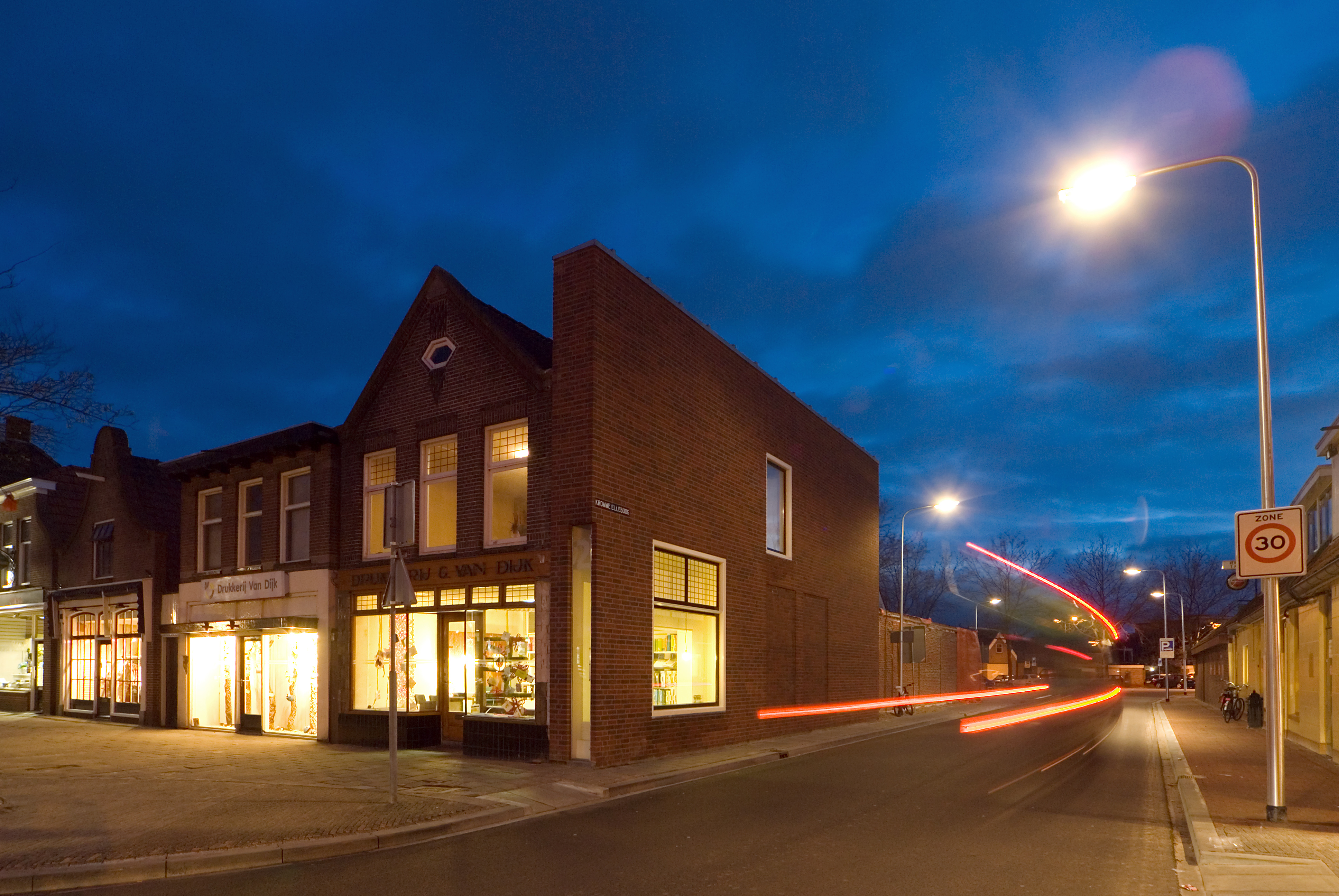
    DLVZ/ studio has narrowed an existing building down to a width of 70 cm.

  • THE “WESTPOLDER BOLWERK” DEVELOPMENT PROJECT

    THE “WESTPOLDER BOLWERK” DEVELOPMENT PROJECT

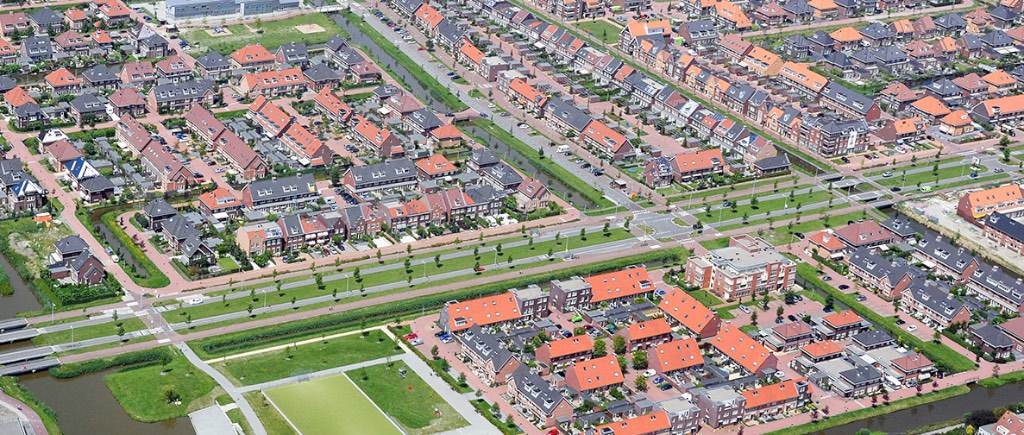
    The township of Berkel Rodenrijs is part of a larger municipality called Landsingerland. It is now the location of a large urban development named Westpolder Bolwerk.

    The plan discussed here is part of that development. It offers an urban environment with 1500 dwelling units and two primary schools. The already executed part of it comprises more than a thousand inhabited dwelling units while the last phase is in the preparatory stage.

    We were asked to realise a “village – like” environment within a growing middle large town.
    “Village – like” meaning: Small scale. Identifiable as a particular location. Making people feel secure. Showing coherent variety.

    (more…)

  • Java Island Amsterdam, Harbour renovation project 1991-2000

    Java Island Amsterdam, Harbour renovation project 1991-2000

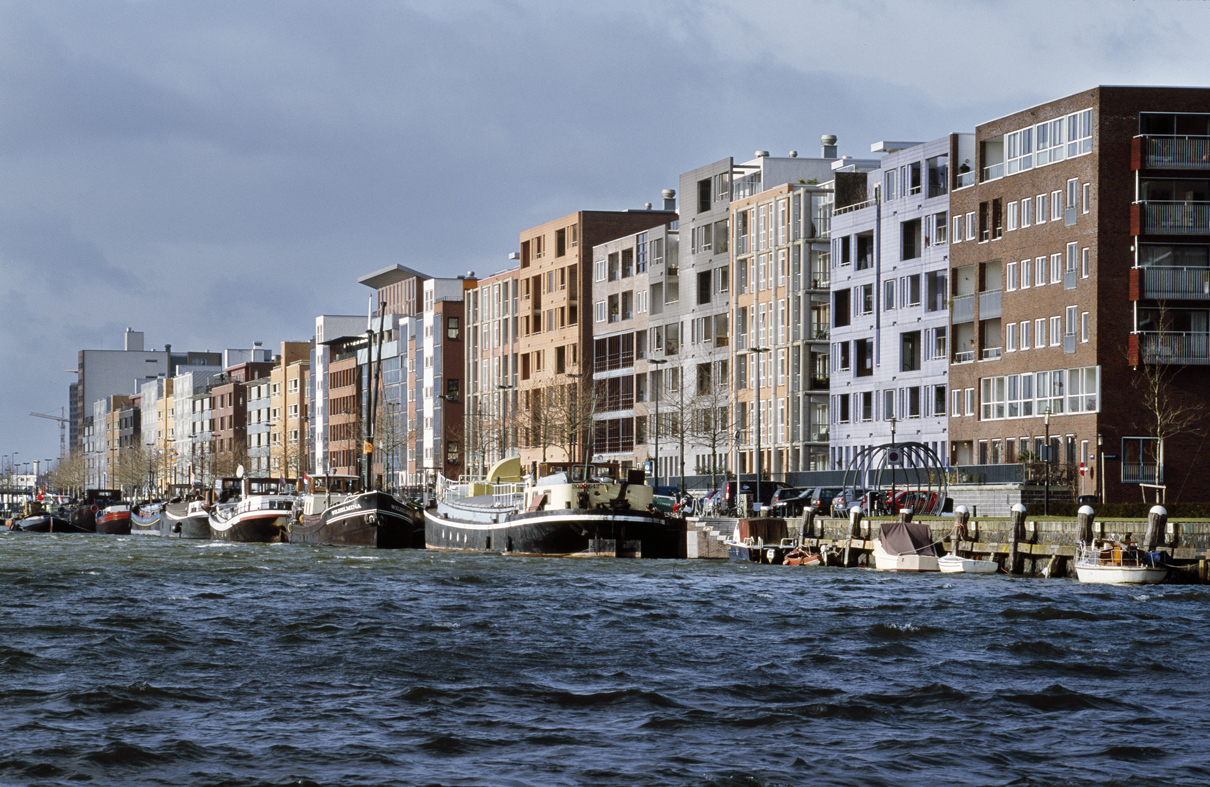
    Java Island is a narrow peninsula in the Eastern Harbour District of Amsterdam that was built in 1900 for the mooring of large ocean-going ships. When the port activities shifted westwards, this harbour became gradually redundant and Amsterdam decided to transform the Eastern Harbour District into a residential area. (more…)

    Author
    Ir. Sjoerd Soeters, pleasant places happy people