
Almost 80 students who are at the third grade of the Architectural Department enjoyed the Design Play 1 and 5 at the Shibaura Institute of Technology in Tokyo. They first made hand writing in the class spending about 20 minutes followed by the explanation of the constructor, Professor Minami. The illustrations in the book of “Conversations with Forms” and some drawings by the instructor were shown as a guidance. After the class students spend a couple of weeks to explore their studies using the Sketch Up as their home works. Some students have no experience to use the Sketch Up before so it took some time to start the Plays. Professor Minami told the students there is no right nor wrong answer for the Design Plays and that students can just develop their design skills by enjoying the Plays. You can see the varieties of our students’ works. This is just the beginning of our students’ works.
Author: thematicdesign
-
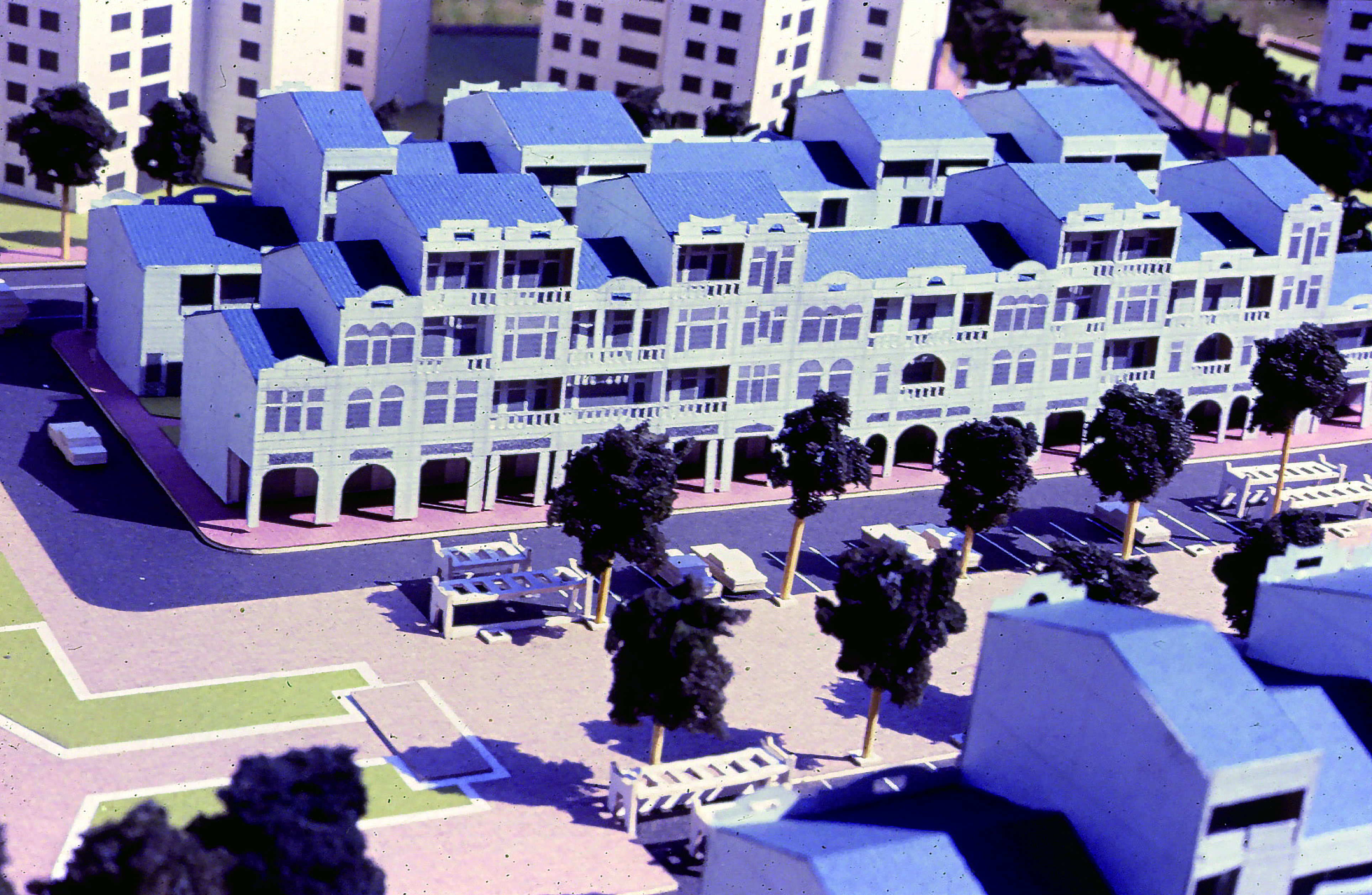
Shop House Facade Design, Kaoshiung, Taiwan
A facade system for shop houses was designed using elements taken from traditional shop fronts in Taiwan.
Students of National Cheng Kung University under my guidance conducted the design, which was part of the planned development project commissioned by the Housing and Urban Development Bureau of Taiwan central government in 1981
AuthorMing-Hung Wang -
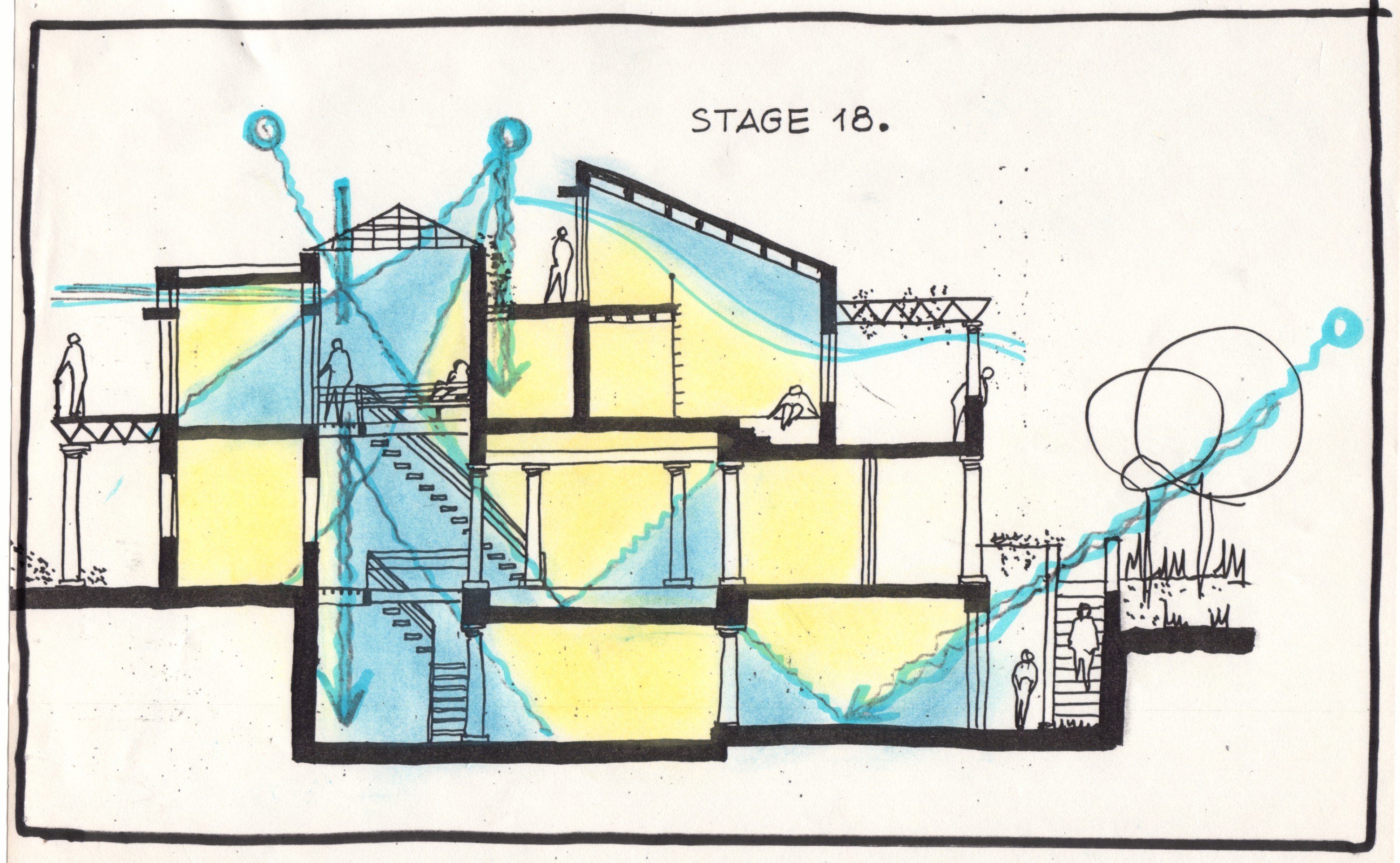
Freehand designplay; thinking, drawing and writing. play three
This DesignPlay was done before computers were used in design. It was done by Christina Gryboyianni, partner at De-Ar Architects, Athens, but at that time student at MIT. The play is also shown in the book “Conversations with Form” which I did with Andrés Mignucci and Jonathan Teicher, where it is Play Three of the seven plays featured in it. For the sake of clarity in lay-out Christina’s play was redrawn there, but in this site we have room for the coloured freehand drawings by which this play was submitted originally. This allows us to appreciate the rendered stages as a kind of thinking out loud while the designer moves on in her conversation with the form. We can read how she comsiders in a particular phase what options are available, what is still missing and why she decides on a next move. (more…)
AuthorChristina Gryboyianni -
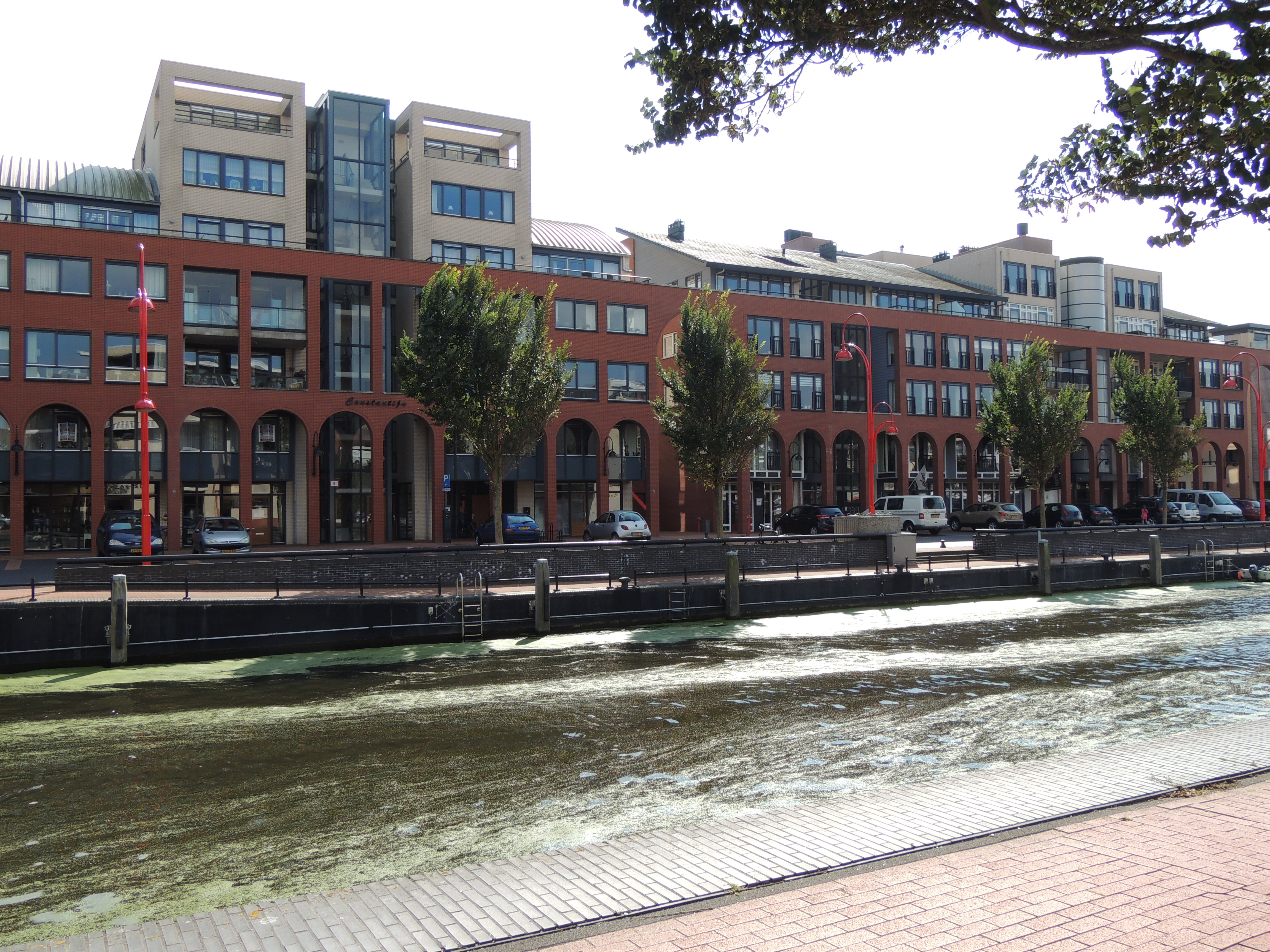
distribution of design tasks; katwijk inner harbour project
After 25 years of practice, I was one of three architects invited to propose a scheme for the renovation of the inner harbour area of the town of Katwijk in the Netherlands, an area close to the town centre. The municipality of Katwijk was the client working in close cooperation with three local building companies and a national bank as investor.
They asked for an integrated plan for a large number of dwelling units combined with facilities like retail space and other commercial space and sufficient parking.
My plan was unanimously preferred after one meeting because it combined two important aspects. (more…)
AuthorHans van Olphen -

DESIGNPLAY FIVE, FROM STUDENT WORKSHOP AT S.I.T.
This post shows results of DesignPlay Five as stated in the book “Conversations with Form” done by graduate students at Shibaura Institute of Technology in a quick workshop after a brief introduction. The students enjoyed the playing.The plays are shown unaltered and without selection. I show them as such because it seems an interesting opportunity for the students to get comments from other students as well as teachers from different places. Which is the purpose of this site.
I therefore invite you to add comments and tell us which plays you rate as most interesting and please tell us why you think so.
-

DESIGNPLAY FOUR, FROM STUDENT WORKSHOP AT S.I.T.
This post shows results of DesignPlay Four as stated in the book “Conversations with Form” done by graduate students at Shibaura Institute of Technology in a quick workshop after a brief introduction. The students enjoyed the playing.The plays are shown unaltered and without selection. I show them as such because it seems an interesting opportunity for the students to get comments from other students as well as teachers from different places. Which is the purpose of this site.
I therefore invite you to add comments and tell us which plays you rate as most interesting and please tell us why you think so.
-

DESIGNPLAY THREE, FROM STUDENT WORKSHOP AT S.I.T.
This post shows results of DesignPlay Three as stated in the book “Conversations with Form” done by graduate students at Shibaura Institute of Technology in a quick workshop after a brief introduction. The students enjoyed the playing. The plays are shown unaltered and without selection. I show them as such because it seems an interesting opportunity for the students to get comments from other students as well as teachers from different places. Which is the purpose of this site.
I therefore invite you to add comments and tell us which plays you rate as most interesting and please tell us why you think so.
-

designplay two, from student workshop at S.I.T
This post shows results of DesignPlay Two as stated in the book “Conversations with Form” done by graduate students at Shibaura Institute of Technology in a quick workshop after a brief introduction. The plays are shown unaltered and without selection. I show them as such because it seems an interesting opportunity for the students to get comments from other students as well as teachers from different places. Which is the purpose of this site.
I therefore invite you to add comments and tell us which plays you rate as most interesting and please tell us why you think so.
-

Designplay one, from student workshop at s.i.t.
This post shows results of DesignPlay One as stated in the book “Conversations with Form” done by graduate students at Shibaura Institute of Technology in a quick workshop after a brief introduction. The plays are shown unaltered and without selection. I show them as such because it seems an interesting opportunity for the students to get comments from other students as well as teachers from different places. Which is the purpose of this site.
I therefore invite you to add comments and tell us which plays you rate as most interesting and please tell us why you think so.
-

example of students’ work of Shibaura Institute of Technology, Tokyo
This is just the first example of the students’ works of my class. Now almost 100 undergraduate and graduate students of Shibaura Institute of Technology Tokyo are enjoying the Design Play.