This paper presents results of an architectural research regarding public Brazilian social housing production. Its goal was to evaluate the design, technological-constructive, economic and management feasibility of producing, as well as the financial feasibility for dwellers to access a more adequate dwelling, in light of the Open Building approach. The investigation arises from two issues: [1] spatial rigidity of units and buildings and [2] the absence of dwellers in the decision- making process once currently this producton is the result of the exclusive partnership between State and Market. Besides the inadequacy when meeting families’ housing needs, the current rate of housing production is low compared to the predominant housing provision performed by the Autoconstruction. This paper demonstrates that Habraken’s Supports Theory is, as a counterpoint, an effective way of reconciling the contradictions mentioned and replacing the obsolete paradigm with a new interweaving of Autoconstruction and State/Market production traditions and possibilities. Based on the distinction between the levels of decision-making, collective decisions (manifested in a Support or Base Building) and decisions respecting the autonomy of individual dwellings (Infill or Fit-out), the Open Building approach solves simultaneously, and interdependently, the physical, but also social and political problems identified in the research.
Category: methods
-

Feasibility and Affordability in Brazilian Social Housing according to the Open Building Approach_ An Architectural Prospection
AuthorRosamônica da Fonseca Lamounier -
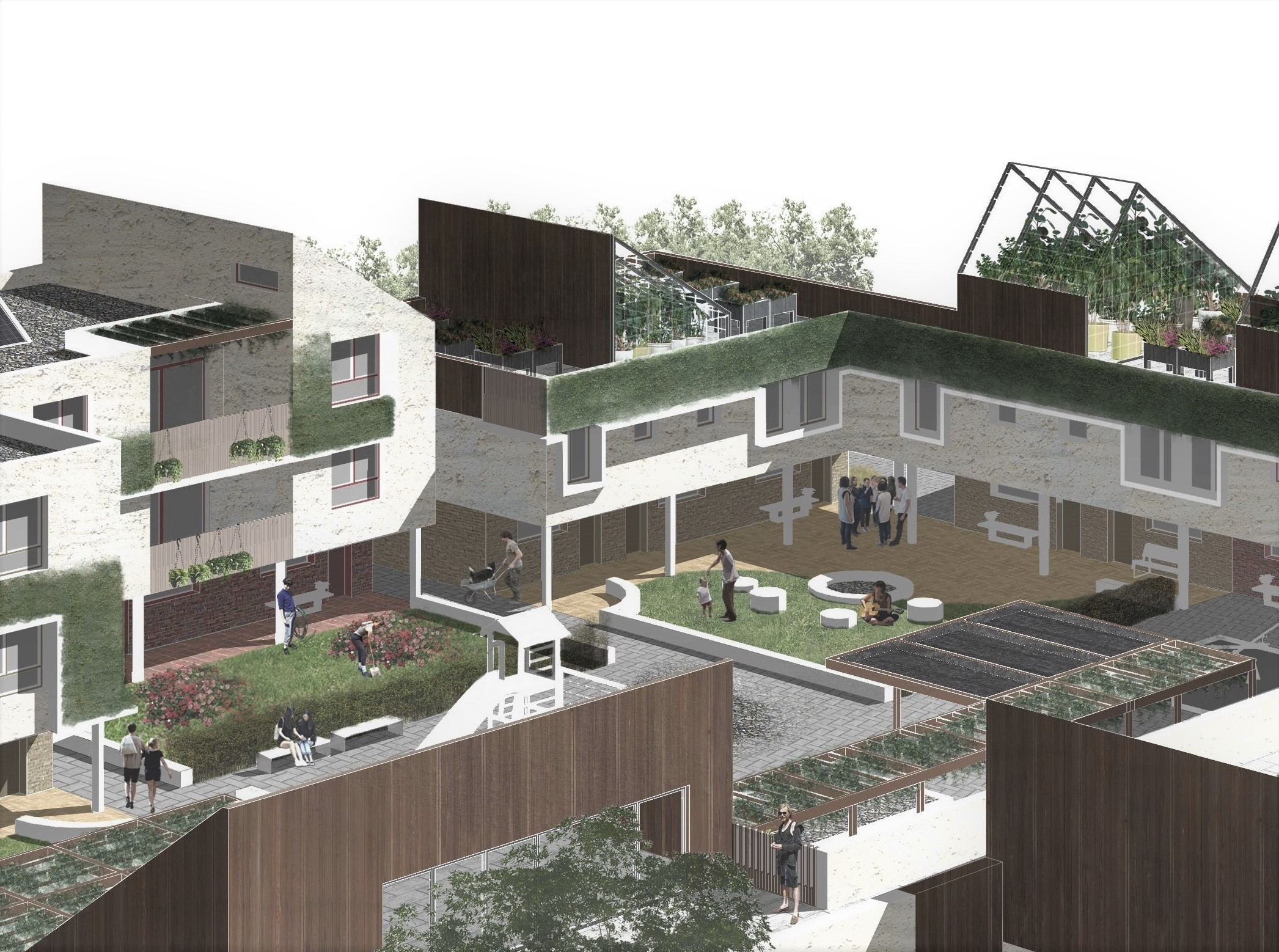
Designing for cohousing
Societies are usually built up like spatial/social tree structures. But some links are missing here between the scale level of the neighborhood and the individual house. Streets can do the job, but are not fit for it, because the scale is too big and the social meaning is ignored. In the essay I want to show how the gap between the neighborhood and the individual house can be filled with spatial scale levels that have a social meaning. An approach in which different kinds of cohousing can emerge, an approach in which future inhabitants can have an emancipated role in the design process.
Authorphilip krabbendam -
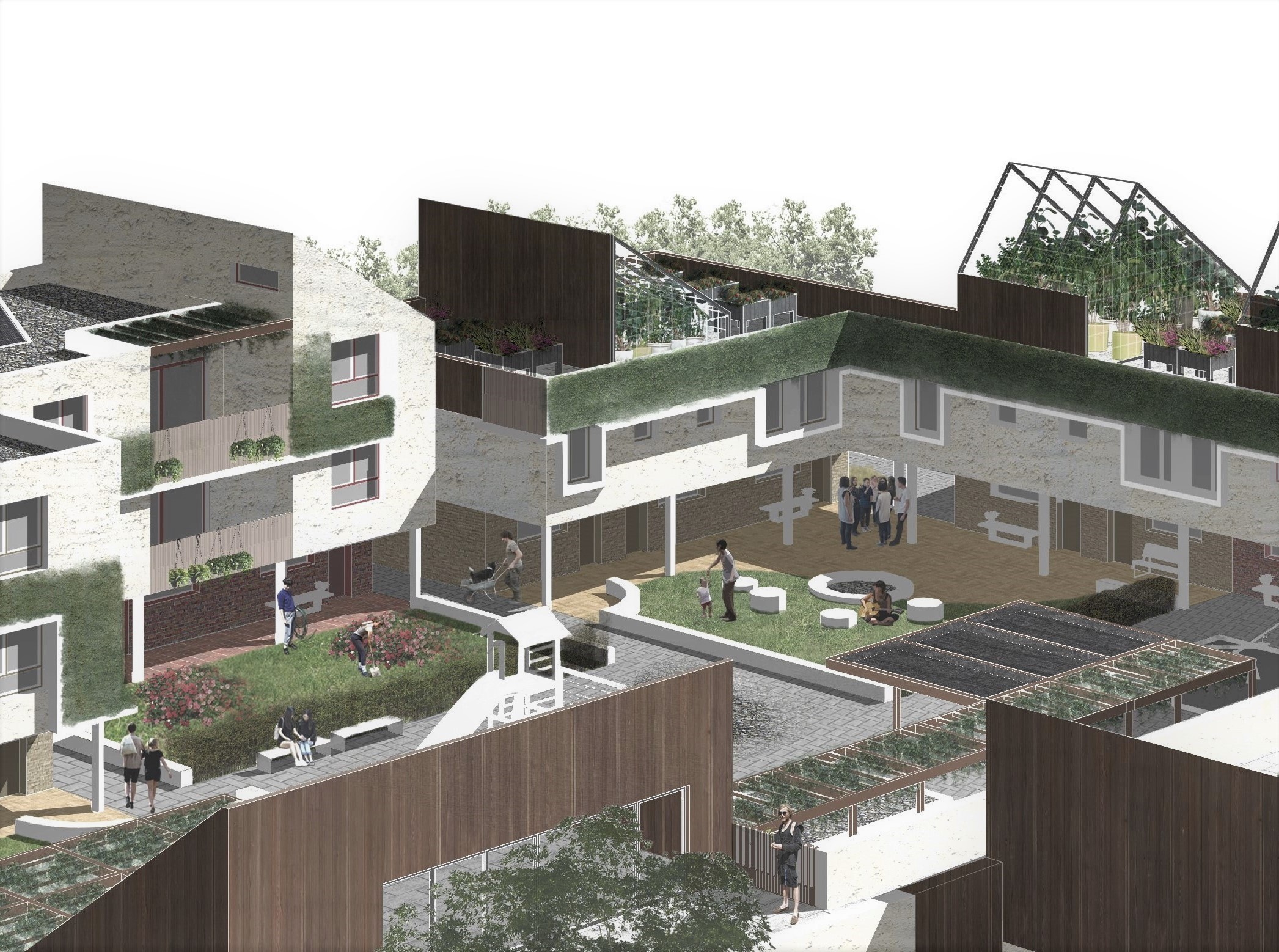
Designing for cohousing
In cohousing most important is involvement. Not only between residents and the built environment. Both kinds of involvement come together in the design process.
Based on my experience that started in the seventies I developed a design process, ‘Field and Volume’ in which residents can take part and invent their project. (more…)
Authorphilip krabbendam -
FLEX 4.0, a practical instrument to assess the adaptive capacity of buildings
Adaptive buildings are green buildings. But the question is: how to measure green? A direct connection can be made between adaptive building and sustainability. Market developments show increased demands for flexibility and sustainability by users and owners as well as a growing understanding of the importance of a circular economy. Since 2014 a research project at the Delft University has been investigating the adaptive capacity of buildings. As one of the results several versions of an instrument to assess the adaptive capacity of buildings have been developed since. The last version FLEX 4.0, amongst others based on the support and infill theory of Habraken [1], is described in detail in this paper, including all flexibility key performance indicators, the different default weighting factors, their assessment values and some examples to determine the flexibility class of buildings. This paper thus presents a complete assessment instrument that can be used in practice.
© 2016 The Authors. Published by Elsevier Ltd.
Peer-review under responsibility of the organizing committee of the SBE16 Tallinn and Helsinki Conference. -

Infill Systems: A New Business Opportunity
Infill Systems are nothing more than well-organized packages of available products, prepared off-site for rapid fit-out in empty spaces in a building.
They are specified, budgeted and contracted one-dwelling-unit at a time. Their specification can be made by the provider (developer) or by the end-user.
Infill Systems are effective in repositioning older buildings for residential occupancy, or for quickly and quietly upgrading individual units one-at-a-time in an occupied building.
Infill Systems are also effective in new construction where speed-to-market is critical: construction of the base building can proceed before decisions are made about number and layout of dwelling units, meaning that decisions about the target market (or custom sales to individual buyers) can be deferred without risk.
AuthorStephen Kendall -
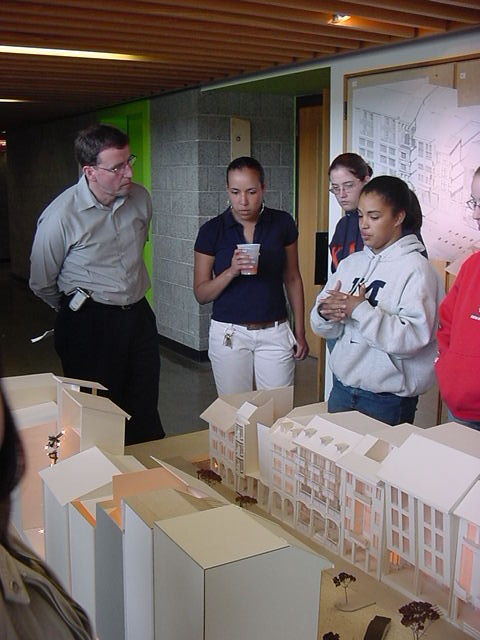
Warming-Up Exercises in Support of Open Building Education
Teaching students of architecture an open building way of designing in a studio setting can be fruitful. To be even more fruitful, however, “warming – up” exercises are useful, but take time to do properly and are not an easy fit in the studio setting. This paper offers some examples of both open building studio projects and “warming-up” exercises given in the studio setting. It also offers comments on lessons learned over the years in teaching in such a way in architectural studios and argues for the development of courses specifically focused on “warming-up” design exercises, not only in support of open building but more generally. These may be most helpful if offered outside but supportive of the design studio. But such opportunities are rare, because “design skill” courses do not exist in architectural curricula.
AuthorStephen Kendall -
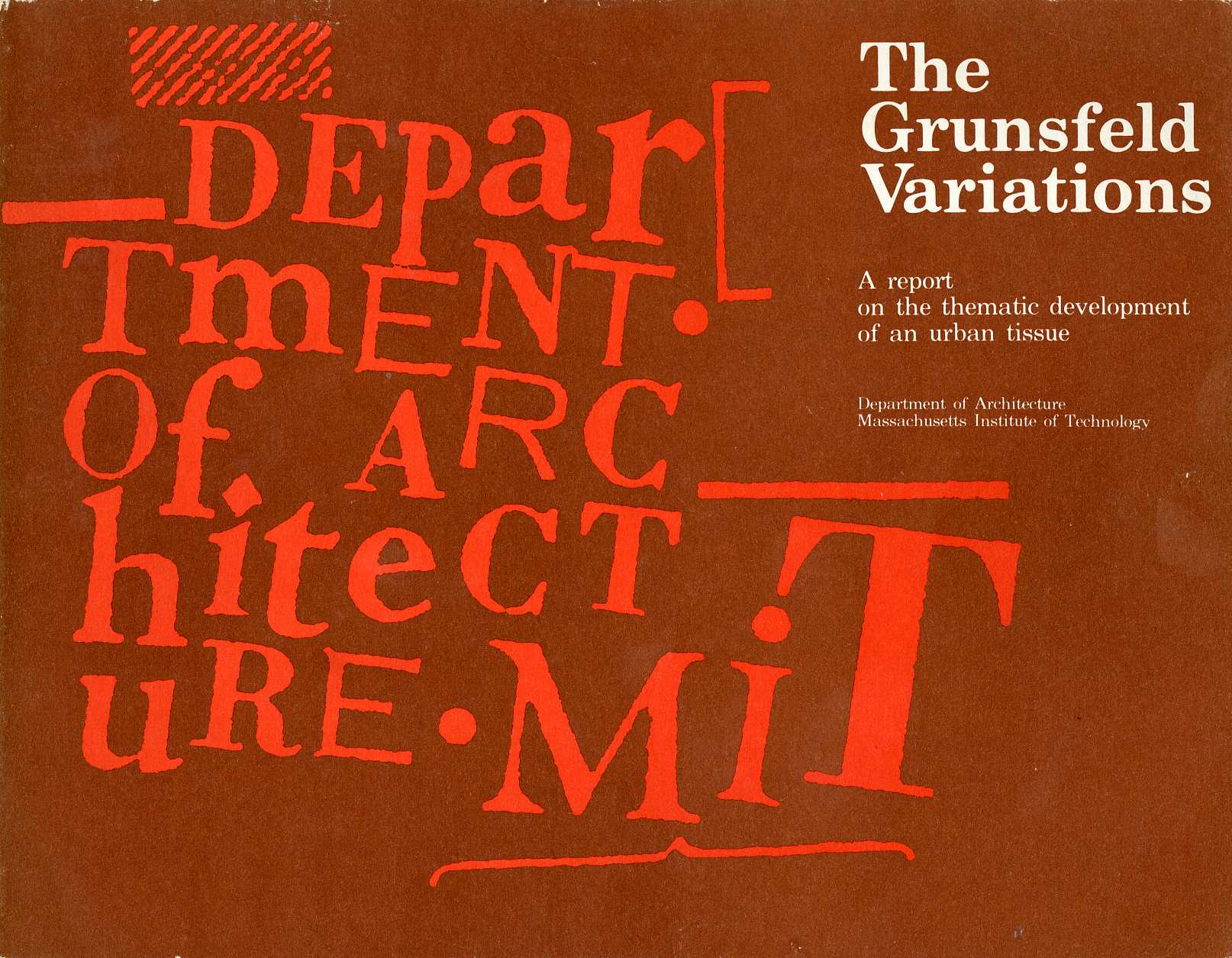
The Grunsfeld Variations
The Grunsfeld Variations
How do you organise a design team for a big project in and efficient manner while using fully the creative ability of the team members? This question led to a demonstration of six weeks in a summer workshop made possible thanks to a donation from the Ernest A. Grunsfeld Memorial Fund.
AuthorJohn HabrakenWebsite -

How to avoid problems when changing something in a design.
Most of the mistakes that cause problems in building are caused by one party changing something in a particular subsystem without tracing how that move triggers the need for adjustment in other parts of the same system or, even more vexing, triggers adjustment in another subsystem controlled by another party. Authorjohn habrakenWebsite