
About the magical moment of form creation.
Author
Rinus van den Berg

This paper presents results of an architectural research regarding public Brazilian social housing production. Its goal was to evaluate the design, technological-constructive, economic and management feasibility of producing, as well as the financial feasibility for dwellers to access a more adequate dwelling, in light of the Open Building approach. The investigation arises from two issues: [1] spatial rigidity of units and buildings and [2] the absence of dwellers in the decision- making process once currently this producton is the result of the exclusive partnership between State and Market. Besides the inadequacy when meeting families’ housing needs, the current rate of housing production is low compared to the predominant housing provision performed by the Autoconstruction. This paper demonstrates that Habraken’s Supports Theory is, as a counterpoint, an effective way of reconciling the contradictions mentioned and replacing the obsolete paradigm with a new interweaving of Autoconstruction and State/Market production traditions and possibilities. Based on the distinction between the levels of decision-making, collective decisions (manifested in a Support or Base Building) and decisions respecting the autonomy of individual dwellings (Infill or Fit-out), the Open Building approach solves simultaneously, and interdependently, the physical, but also social and political problems identified in the research.

This paper presents results of an architectural research regarding public Brazilian social housing production. Its goal was to evaluate the design, technological-constructive, economic and management feasibility of producing, as well as the financial feasibility for dwellers to access a more adequate dwelling, in light of the Open Building approach. The investigation arises from two issues: [1] spatial rigidity of units and buildings and [2] the absence of dwellers in the decision- making process once currently this producton is the result of the exclusive partnership between State and Market. Besides the inadequacy when meeting families’ housing needs, the current rate of housing production is low compared to the predominant housing provision performed by the Autoconstruction. This paper demonstrates that Habraken’s Supports Theory is, as a counterpoint, an effective way of reconciling the contradictions mentioned and replacing the obsolete paradigm with a new interweaving of Autoconstruction and State/Market production traditions and possibilities. Based on the distinction between the levels of decision-making, collective decisions (manifested in a Support or Base Building) and decisions respecting the autonomy of individual dwellings (Infill or Fit-out), the Open Building approach solves simultaneously, and interdependently, the physical, but also social and political problems identified in the research.
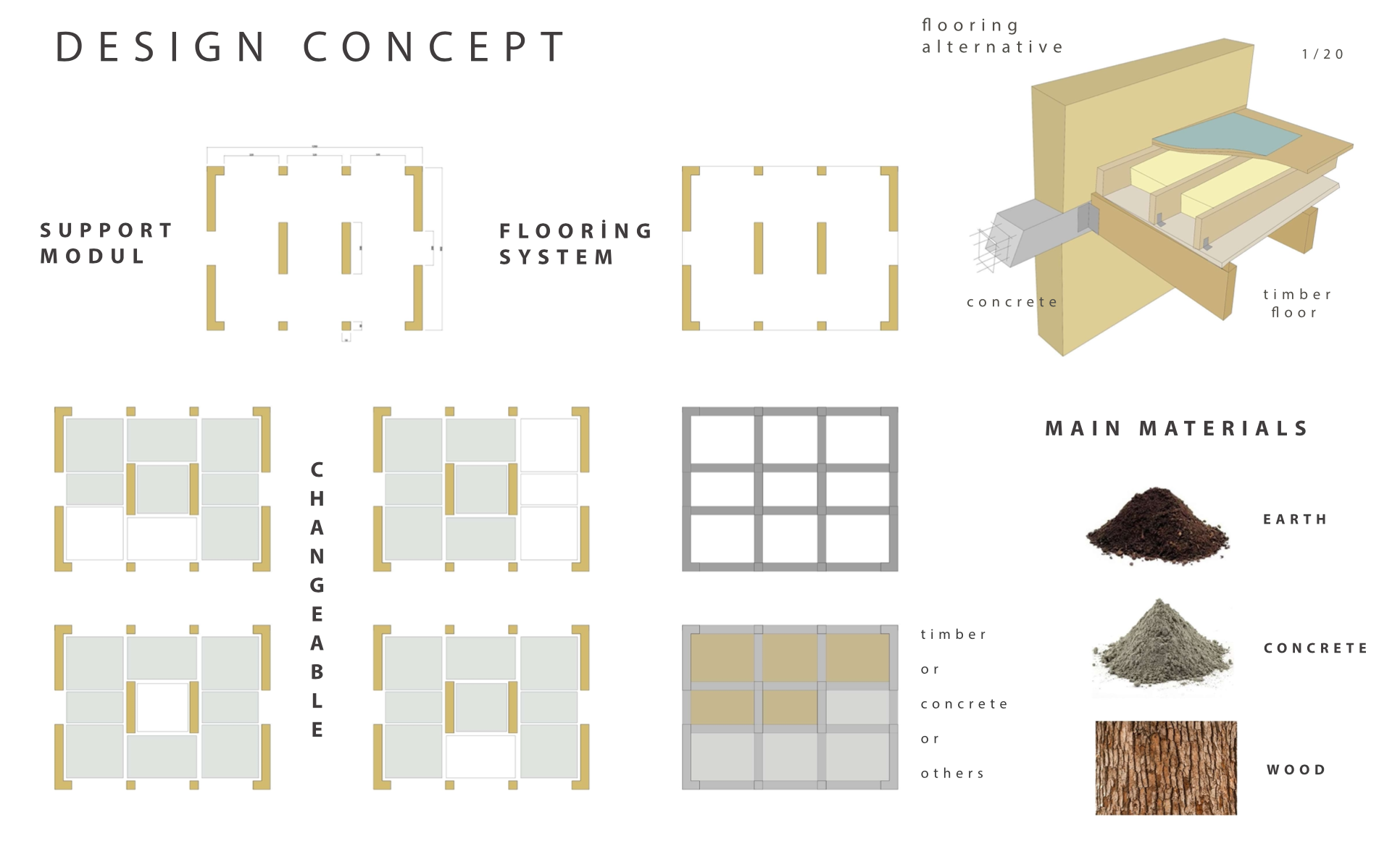
An example from a design studio course for third-year undergraduate students at Fatih Sultan Mehmet University in Istanbul. The attempt was to bring the notion of “nominal classes” observed by Habraken in his book: Transformation of the Site, with mud construction to design a Support for low-income residents.
Designed by: İLAYDANUR AZAKLI
How would you like to live?. What does your dreamhouse look like?
Would it be possible to make your own apartment?
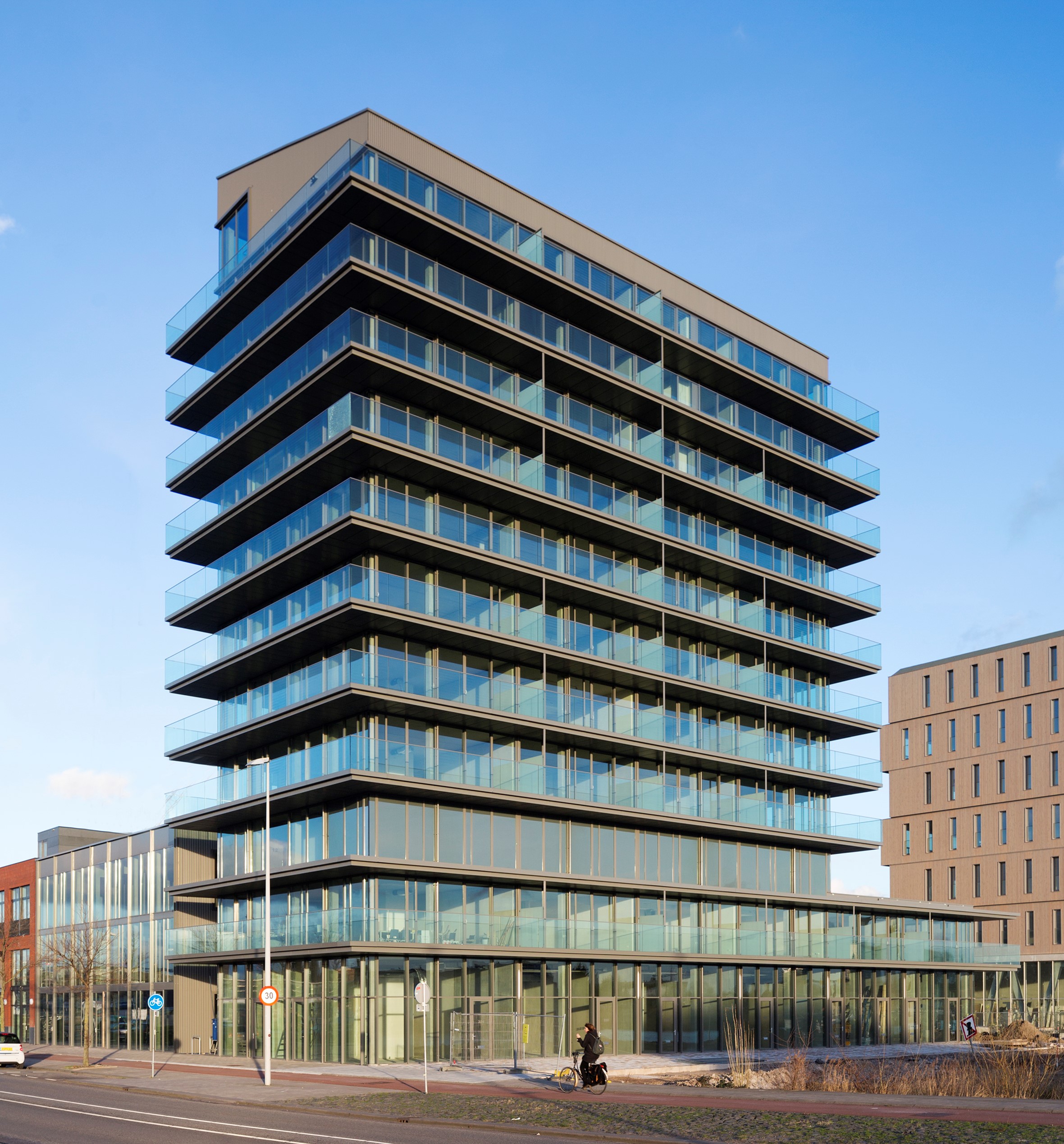
BlackJack is an energy efficient eleven story high building with maximum glass, maximum light, maximum view, maximum size of balconies, extra inside height, maximum freedom in choosing the size, facade and layout of your own dwelling. A bright, sober and sturdy building designed with attention and care in the details. BlackJack is an exercise making an cost- and energy- efficient apartment building with maximum freedom, public participation and flexibility for house-owners, now and in the future.
To achieve this the carcass is made of prefab concrete columns and fontanel walls which makes it possible to combine or separate units very easy. The façade has a predetermined building system but the layout is determined by each buyer. Each floor has an over dimensioned amount of facilities like a fuse box, doorbell, underfloor heating unit, front door etc. In the upper layer of every floor there is an intelligent pipeline system installed making all imaginable layouts possible. These measures gives people the opportunity to choose their own size and layout of their dwelling. This makes it also possible to have an office at home with own entrance, merge, divide and change the use in the future.
The building consists of 80% residentials and 20% commercial units. All buyers, both private or business became member of the cooperative association. The cooperative is also the client.
With each owner individually we developed a tailor made design and floorplan. Hereby all houses are unique. The often free floorplans deviate from what is known as a standard in housing floorplan. This is not invented in advance but arose from the wishes of the clients and the unique opportunities that were possible. (more…)
Superlofts is a revolutionary development & design model for hybrid co-housing communities that can radically improve the quality of cities and the way people live together.
Superlofts projects address people with unique lifestyles looking for personalised spaces and a new way of living in the contemporary city, where Creative Freedom, Social Inclusiveness, and Healthy living are the fundamental values. The Superlofts concept provides an open framework of action, avoiding the conformity of traditional housing. It creates a sense of communal urban living while providing the individuality that makes loft spaces so desirable.
Superlofts offers a 6m tall (19,7ft) raw-space in which you can customize or self-build your dream home. This provides the opportunity to match lifestyle and budget for a variety of unique users and attitudes from compact studios to XL penthouses and from affordable ‘do it yourself’ to turn-key luxury. Superlofts become a kind of ‘urban villages’ with very diverse types of dwellings and vibrant user communities. They attract a niche-market of urban pioneers to the urban fringe where they become catalysts of urban development.
Superlofts are radically flexible and thus resilient mixed-use buildings that can adapt over time to shifting trends and behavior. They are functionally hybrid buildings in which residential-, work- and ‘maker spaces’ blend into each other. They allow users to ‘grow into their home’ and make investments over time. They are based on a modular and prefab base-structure and flexible fit out system. This allows the interiors to be updated independently, tapping into the trend of healthy, circular and cradle to cradle building products. It supports a transition from ownership to leasing. Superlofts use the latest technologies in renewable energy, air purification, rainwater- and waste recycling and E-mobility. In Delft we go all electric, in Utrecht geothermal and solar; with each new site, we push the limits further.
Superlofts is initiated by Marc Koehler Architects [MKA] and is applied by local professional partners, developers and user-groups, who form a worldwide network. Superlofts works with focus-groups who participate in the decision-making process in an early stage, resulting in uniquely crafted spaces and resilient co-living communities. In some cities Superlofts projects have been crowdfunded by the future homeowners, in others, developers and investors have stepped in. The model has proven to be highly adaptable to different sites.
The Superlofts website connects Superlofts members in different projects worldwide providing a platform for exchanging ideas and inspiration in loft design, and green co-living. Superlofts is currently active in 7 countries. The flexibility of the open framework creates an opportunity to add common spaces or shared facilities at minimal costs. This creates social well-being while providing each homeowner with a unique chance to co-create and experience their own personalized home.
With several projects currently completed and much more in development in the Netherlands and abroad, Superlofts is the evolutionary and customizable co-housing concept of the future that will soon meet the targets of the Paris Agreement.
Please contact us for more info or to partner with us at www.superlofts.co/en
Best regards,
Marc Koehler, architect & founder of Superlofts
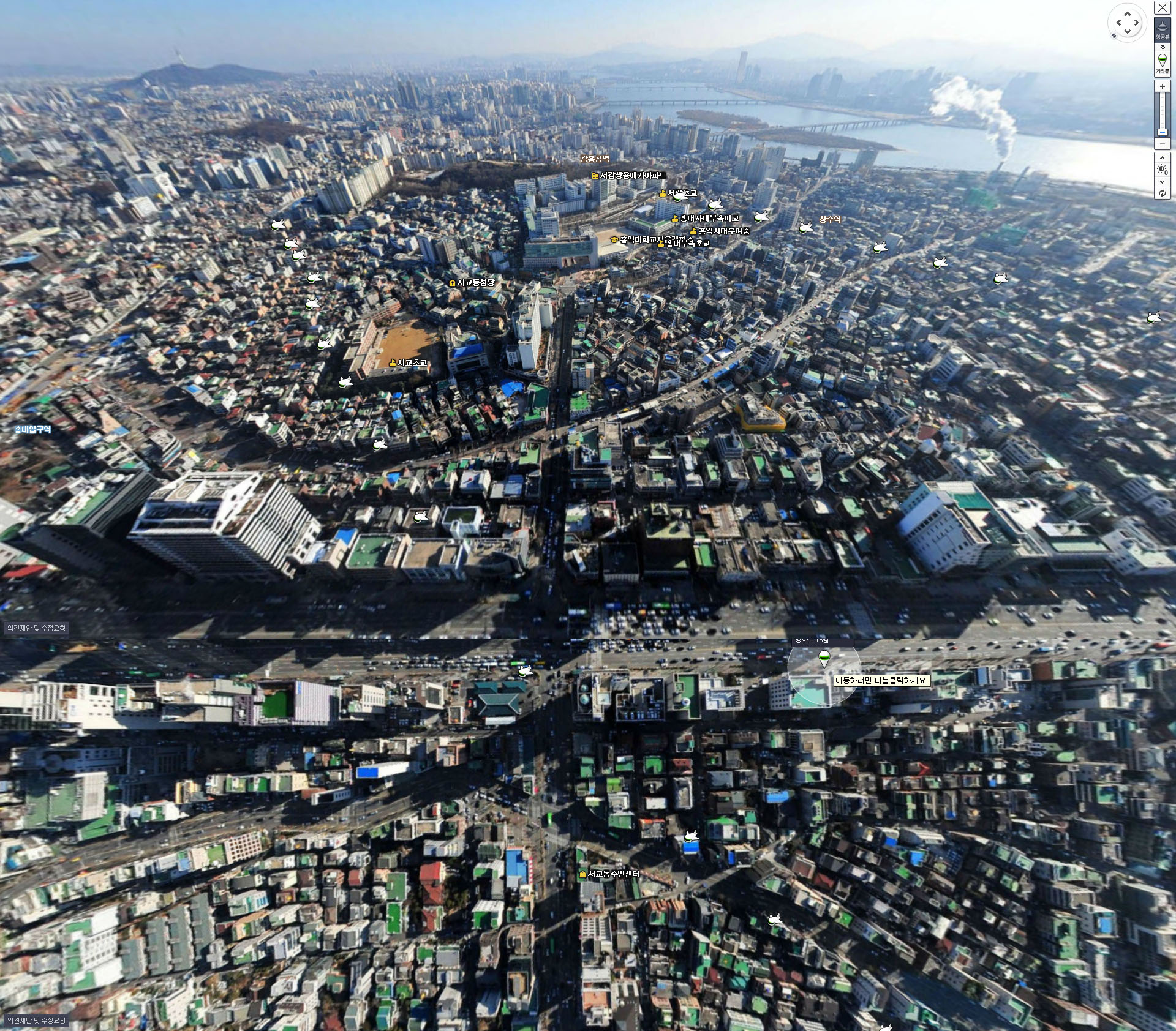
Bart Reuser is partner of Amsterdam-based NEXT architects. In the book Seoulutions he presents a temporary record of the continuous transformation of the Hongdae district in Seoul, a creative hotspot with a young and diverse population.
While the booklet is a search for the driving forces behind unique urban solutions, it also pays tribute to a dynamic city. Reuser experiences the city from the inside and analyses its organisation, not to mention the ongoing process of change occurring within Hongdae, both on a spatial and programmatic level. Through numerous drawings, photos, local insight and entrepreneurial spirit, he outlines the fascinating lessons that can be learned.
As Reuser describes: “To visit Hongdae is great, but to come back is even better. Only the person who comes back to Hongdae sees the speed in which this district transforms and is witness of the special relation it has with something as intangible as time. That became my fascination. Not the city itself, but the changes it goes through.”
The book is available for sale at the BNA website >> http://www.bna.nl/product/freestyle-02-seoulutions/
More information about SEOULUTIONS>> http://www.nextarchitects.com/en/projects/seoulutions?c=research
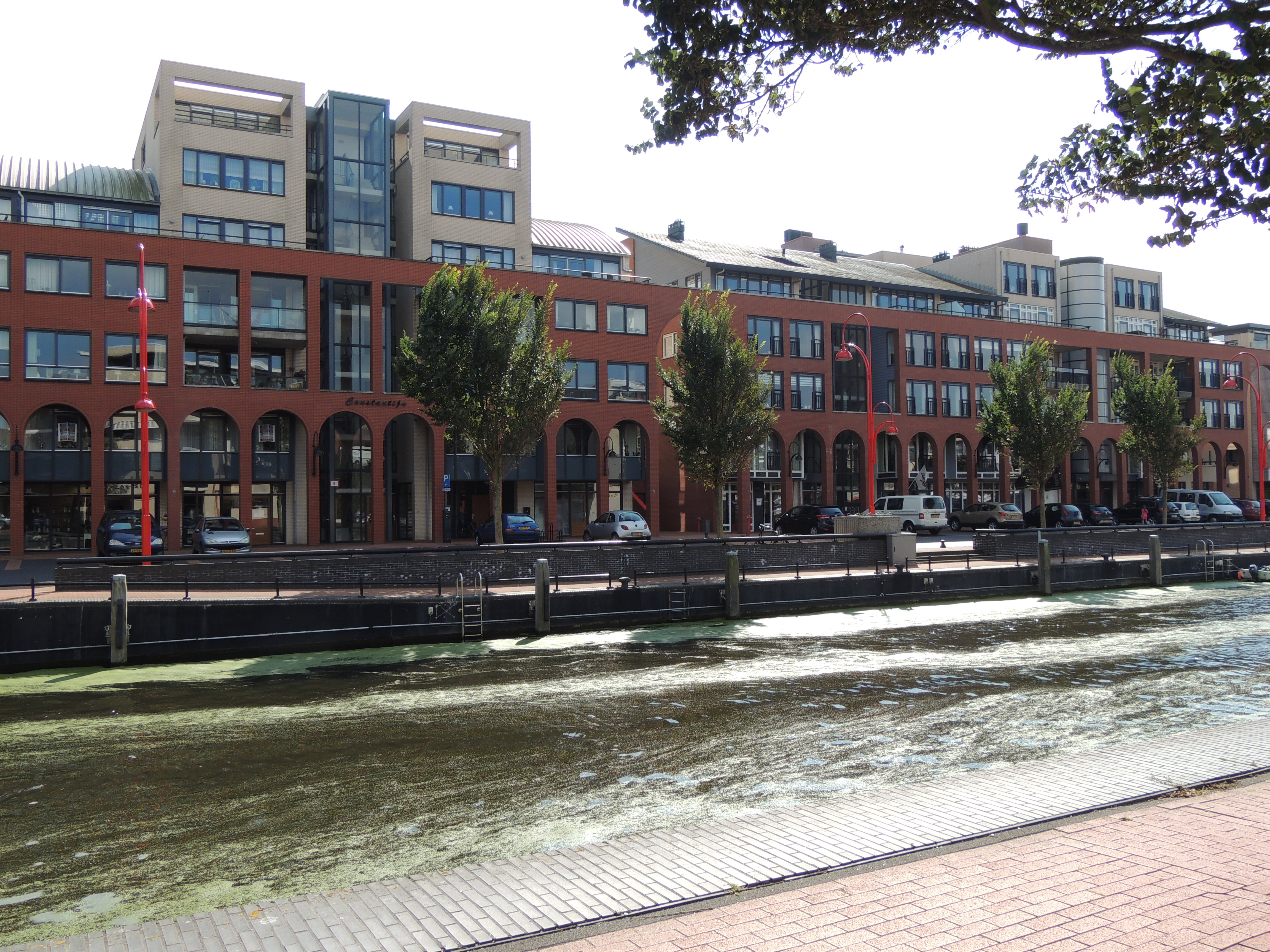
After 25 years of practice, I was one of three architects invited to propose a scheme for the renovation of the inner harbour area of the town of Katwijk in the Netherlands, an area close to the town centre. The municipality of Katwijk was the client working in close cooperation with three local building companies and a national bank as investor.
They asked for an integrated plan for a large number of dwelling units combined with facilities like retail space and other commercial space and sufficient parking.
My plan was unanimously preferred after one meeting because it combined two important aspects. (more…)