This paper presents results of an architectural research regarding public Brazilian social housing production. Its goal was to evaluate the design, technological-constructive, economic and management feasibility of producing, as well as the financial feasibility for dwellers to access a more adequate dwelling, in light of the Open Building approach. The investigation arises from two issues: [1] spatial rigidity of units and buildings and [2] the absence of dwellers in the decision- making process once currently this producton is the result of the exclusive partnership between State and Market. Besides the inadequacy when meeting families’ housing needs, the current rate of housing production is low compared to the predominant housing provision performed by the Autoconstruction. This paper demonstrates that Habraken’s Supports Theory is, as a counterpoint, an effective way of reconciling the contradictions mentioned and replacing the obsolete paradigm with a new interweaving of Autoconstruction and State/Market production traditions and possibilities. Based on the distinction between the levels of decision-making, collective decisions (manifested in a Support or Base Building) and decisions respecting the autonomy of individual dwellings (Infill or Fit-out), the Open Building approach solves simultaneously, and interdependently, the physical, but also social and political problems identified in the research.
Tag: basebuilding
-

Feasibility and Affordability in Brazilian Social Housing according to the Open Building Approach_ An Architectural Prospection
AuthorRosamônica da Fonseca Lamounier -

Feasibility and Affordability in Brazilian Social Housing according to the Open Building Approach_ An Architectural Prospection
This paper presents results of an architectural research regarding public Brazilian social housing production. Its goal was to evaluate the design, technological-constructive, economic and management feasibility of producing, as well as the financial feasibility for dwellers to access a more adequate dwelling, in light of the Open Building approach. The investigation arises from two issues: [1] spatial rigidity of units and buildings and [2] the absence of dwellers in the decision- making process once currently this producton is the result of the exclusive partnership between State and Market. Besides the inadequacy when meeting families’ housing needs, the current rate of housing production is low compared to the predominant housing provision performed by the Autoconstruction. This paper demonstrates that Habraken’s Supports Theory is, as a counterpoint, an effective way of reconciling the contradictions mentioned and replacing the obsolete paradigm with a new interweaving of Autoconstruction and State/Market production traditions and possibilities. Based on the distinction between the levels of decision-making, collective decisions (manifested in a Support or Base Building) and decisions respecting the autonomy of individual dwellings (Infill or Fit-out), the Open Building approach solves simultaneously, and interdependently, the physical, but also social and political problems identified in the research.
AuthorRosamônica da Fonseca Lamounier -

Feasibility and Affordability in Brazilian Social Housing according to the Open Building Approach_ An Architectural Prospection
This paper presents results of an architectural research regarding public Brazilian social housing production. Its goal was to evaluate the design, technological-constructive, economic and management feasibility of producing, as well as the financial feasibility for dwellers to access a more adequate dwelling, in light of the Open Building approach. The investigation arises from two issues: [1] spatial rigidity of units and buildings and [2] the absence of dwellers in the decision- making process once currently this producton is the result of the exclusive partnership between State and Market. Besides the inadequacy when meeting families’ housing needs, the current rate of housing production is low compared to the predominant housing provision performed by the Autoconstruction. This paper demonstrates that Habraken’s Supports Theory is, as a counterpoint, an effective way of reconciling the contradictions mentioned and replacing the obsolete paradigm with a new interweaving of Autoconstruction and State/Market production traditions and possibilities. Based on the distinction between the levels of decision-making, collective decisions (manifested in a Support or Base Building) and decisions respecting the autonomy of individual dwellings (Infill or Fit-out), the Open Building approach solves simultaneously, and interdependently, the physical, but also social and political problems identified in the research.
AuthorRosamônica da Fonseca Lamounier -

A moment in the life of a building
A moment in the life of a building
Today, Cable Factory is one of the major cultural centres of Helsinki. Focusing on the years 1989-91 when the industrial monument was in peril, architect Pia Ilonen reflects on the dialectic of use and vacancy, emptiness and appropriation, exploring the transformational cultural potential of free, underdefined space.
-

Open Building Experience 5.: “The Pelgromhof”, Zevenaar, The Netherlands, 2001
This project is located in the town center of Zevenaar (32000). It incorporates 169 support-infill apartments for elderly, a parking garage for 86 cars and a nucleus of 46 nursing rooms, designed for assisted and intramural care giving, a restaurant, a kitchen, a chapel, a theater, a shop and a library.
The Pelgromhof has been developed in the rental sector by the local housing association ‘Baston Wonen’, previously ASWZ, and the care foundation ‘Pelgrom’, today ‘Pleyade’. It was selected as ’National Model of Sustainable and Energy-efficient Construction’, nominated for the ‘Dutch Building Award’, became finalist of the ‘World Habitat Awards 2004’, and received the ‘Experimental Status’ of the Dutch government. (more…)
AuthorFrans van der WerfWebsite -
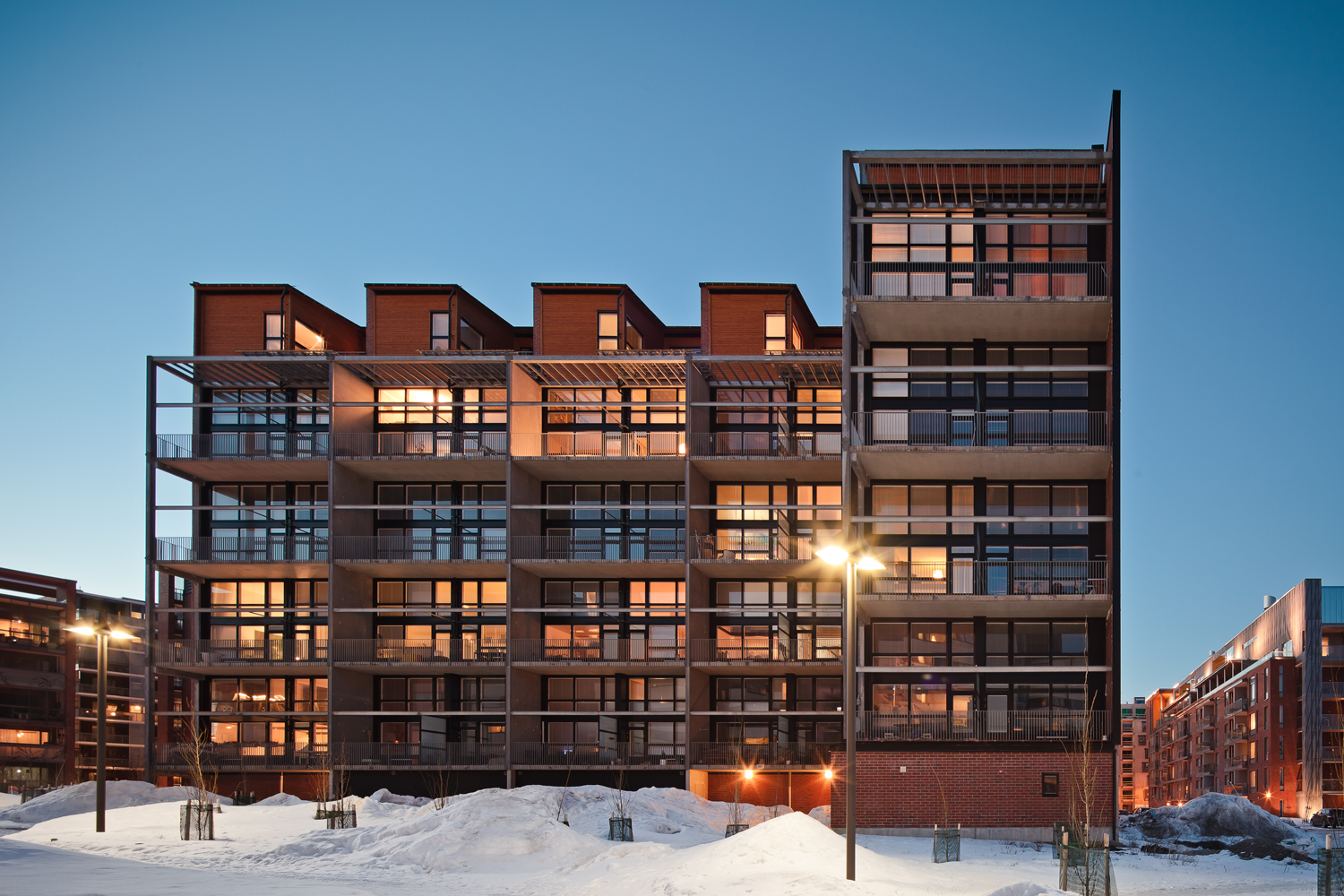
TILA open building project in Helsinki
The Tila housing block, comprising 39 loft apartments, is a pilot project for neo-loft apartments in Helsinki, Arabianranta. The concept is based on an open construction system: within the available building frame the resident determines and builds the required subdivisions. The flats are occupiable at the moment of purchase, but become completely habitable with the installation of kitchen furniture. The residents can build individual rooms or expand their flat with gallery-type spaces, because the height of the main space is five metres.
AuthorCarolin FrankeWebsite -
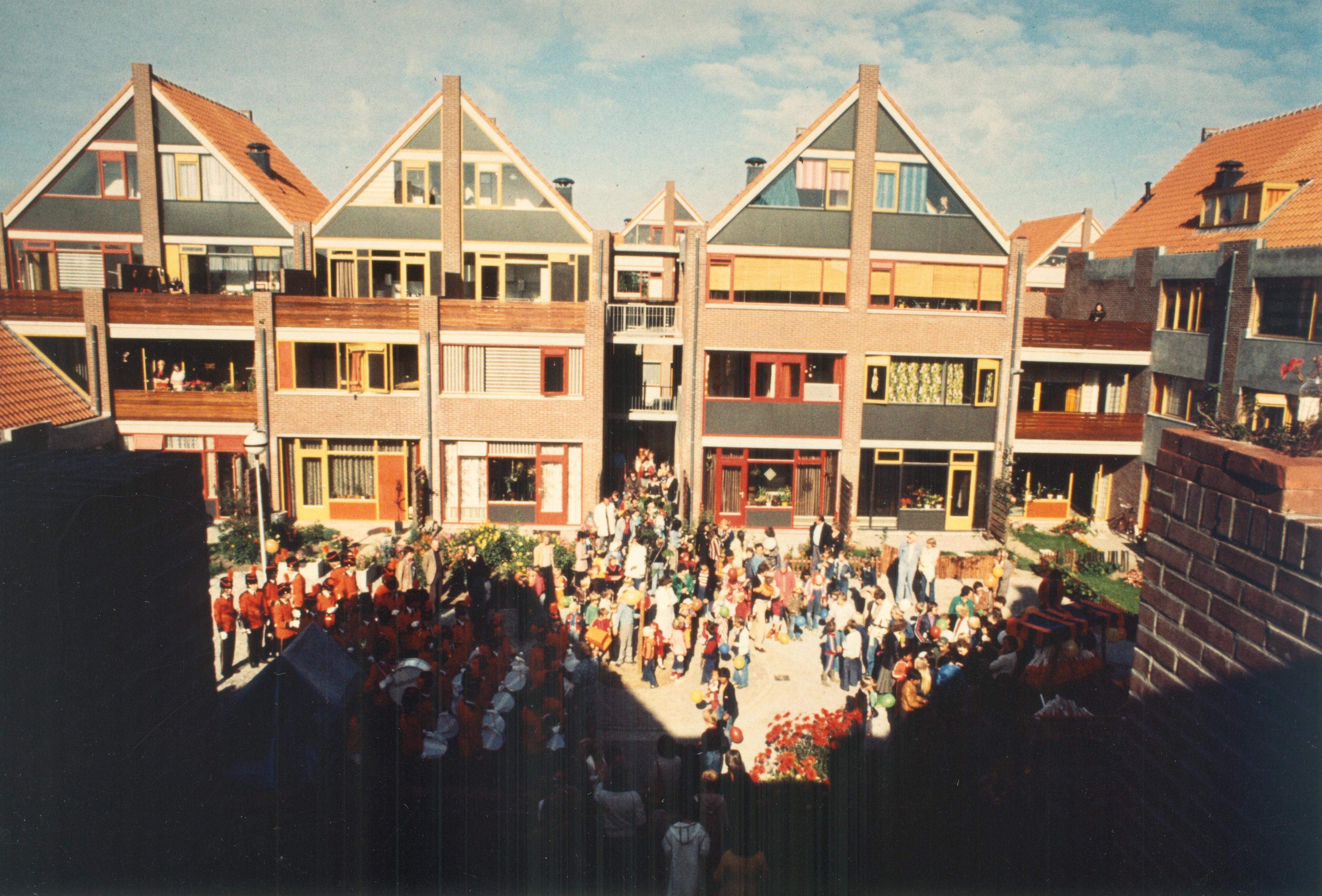
OPEN BUILDING EXPERIENCE: 1. “MOLENVLIET” PAPENDRECHT 1978
After years of practice I will present my experience with Open Building, based on the design principles of the Foundation for Architectural Research, SAR.12
I start with the project “Molenvliet” in Papendrecht, the Netherlands.
AuthorIr. Frans van der Werf -
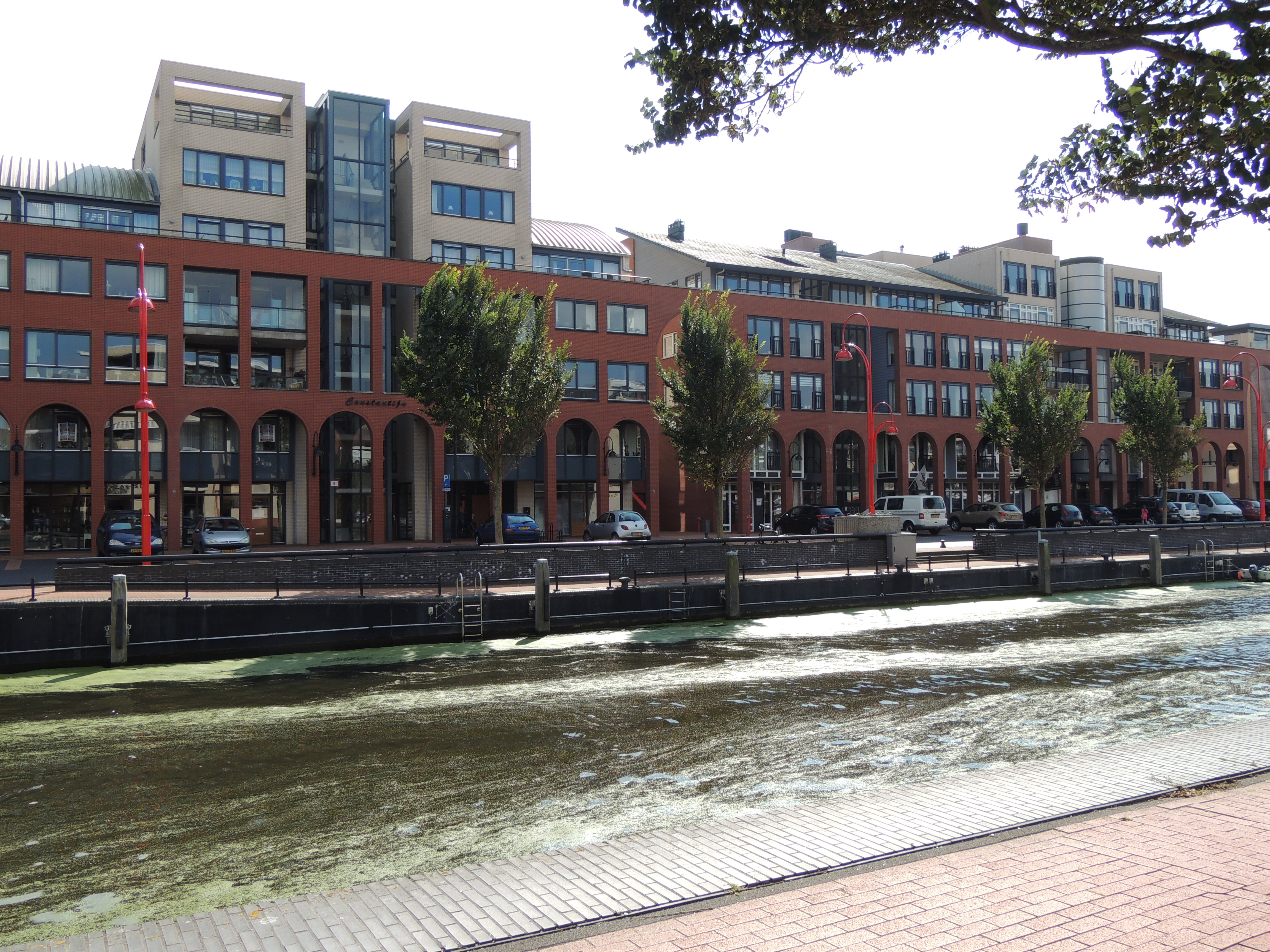
distribution of design tasks; katwijk inner harbour project
After 25 years of practice, I was one of three architects invited to propose a scheme for the renovation of the inner harbour area of the town of Katwijk in the Netherlands, an area close to the town centre. The municipality of Katwijk was the client working in close cooperation with three local building companies and a national bank as investor.
They asked for an integrated plan for a large number of dwelling units combined with facilities like retail space and other commercial space and sufficient parking.
My plan was unanimously preferred after one meeting because it combined two important aspects. (more…)
AuthorHans van Olphen -
Systems Separation: An Approach to Architectural Management
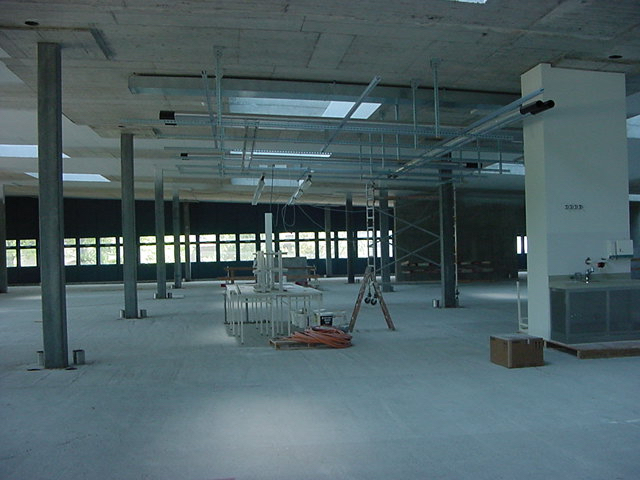
The Canton Bern (Switzerland) Office of Properties and Buildings has adopted a radically new approach to the acquisition of public facilities. Having been used in the design and delivery of more than twenty projects (healthcare, university academic buildings, prisons, residential living, etc.) the approach makes a distinct separation between the long-lasting part of each building (called the Primary System) from the more changeable parts (Secondary and Tertiary Systems). The first example was a very large hospital on the campus of the Inselspital Hospital in Bern – the INO. This is a report on that project. At the end of the report, information is provided on how readers can acquire a comprehensive report / evaluation of the projects, hosted by the client and attended by experts from several countries.
AuthorStephen Kendall -

A village in the Egyptian desert
With every design for collective housing a distinction needs to be made between the design for what is collective from the design of the individual dwelling units. This distribution of design responsibility has led toe the concepts of “base building” from and that of “fit-out”. The boundary between the two is not fixed for all cases but must be determined anew in each project. This separation of two design products can lead to a new kind of architecture.
Authorjohn habrakenWebsite