This is just the first example of the students’ works of my class. Now almost 100 undergraduate and graduate students of Shibaura Institute of Technology Tokyo are enjoying the Design Play.
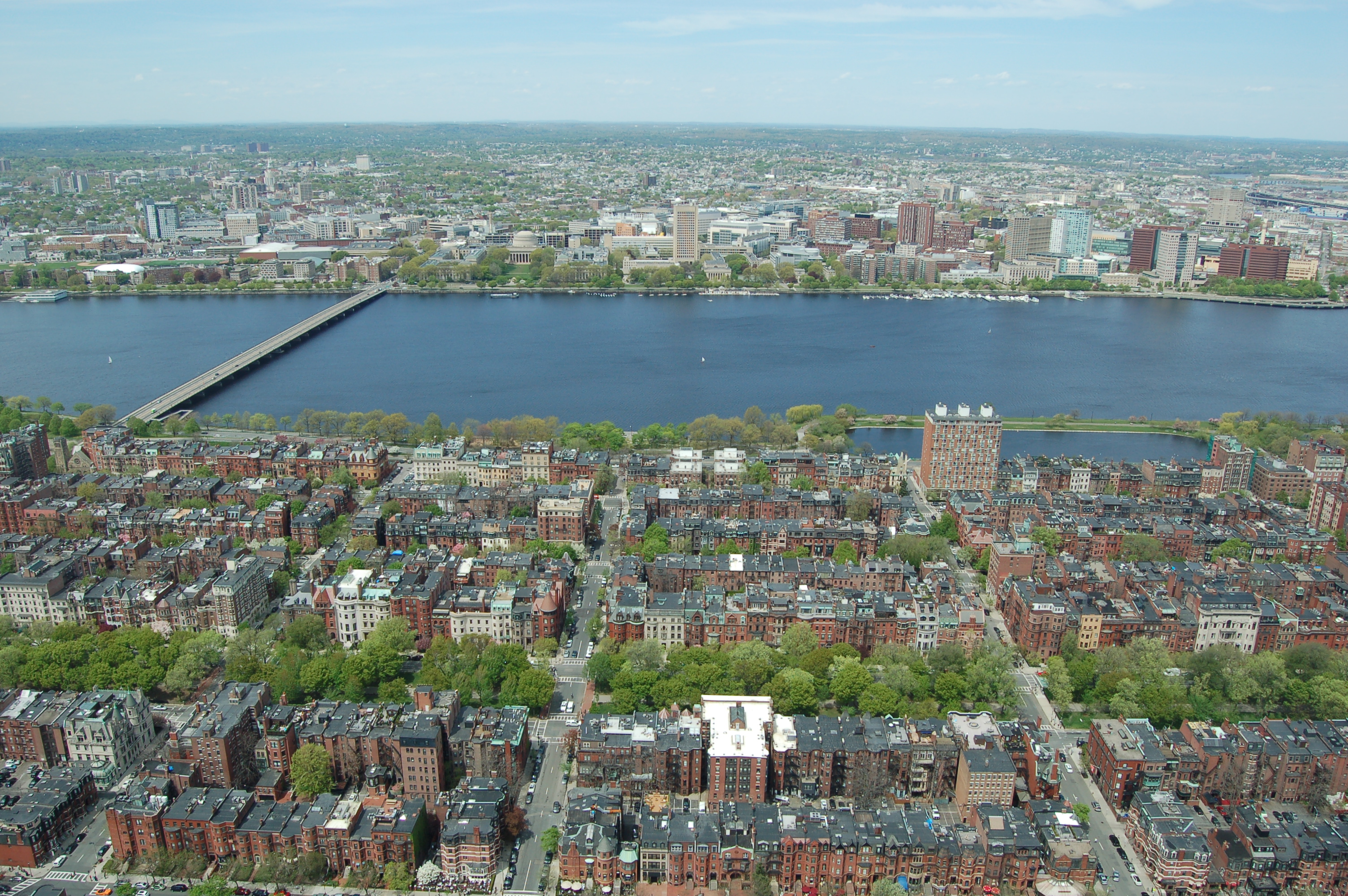
This is just the first example of the students’ works of my class. Now almost 100 undergraduate and graduate students of Shibaura Institute of Technology Tokyo are enjoying the Design Play.
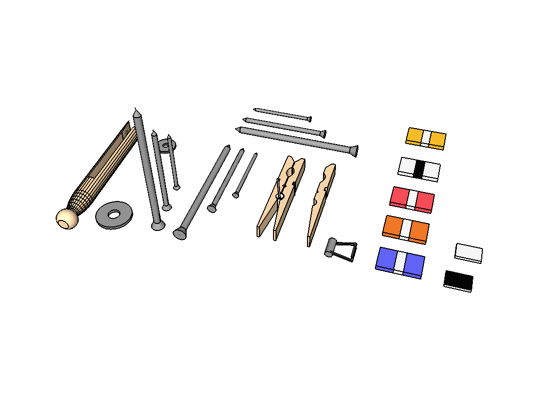
In the book titled “Conversations with Form the idea of ‘DesignPlay’ is introduced and seven different examples are given in increasing complexity. These plays are basically solo plays that you can do to develop your skills in form making. In it, form transformation is considered as the basis for form making.
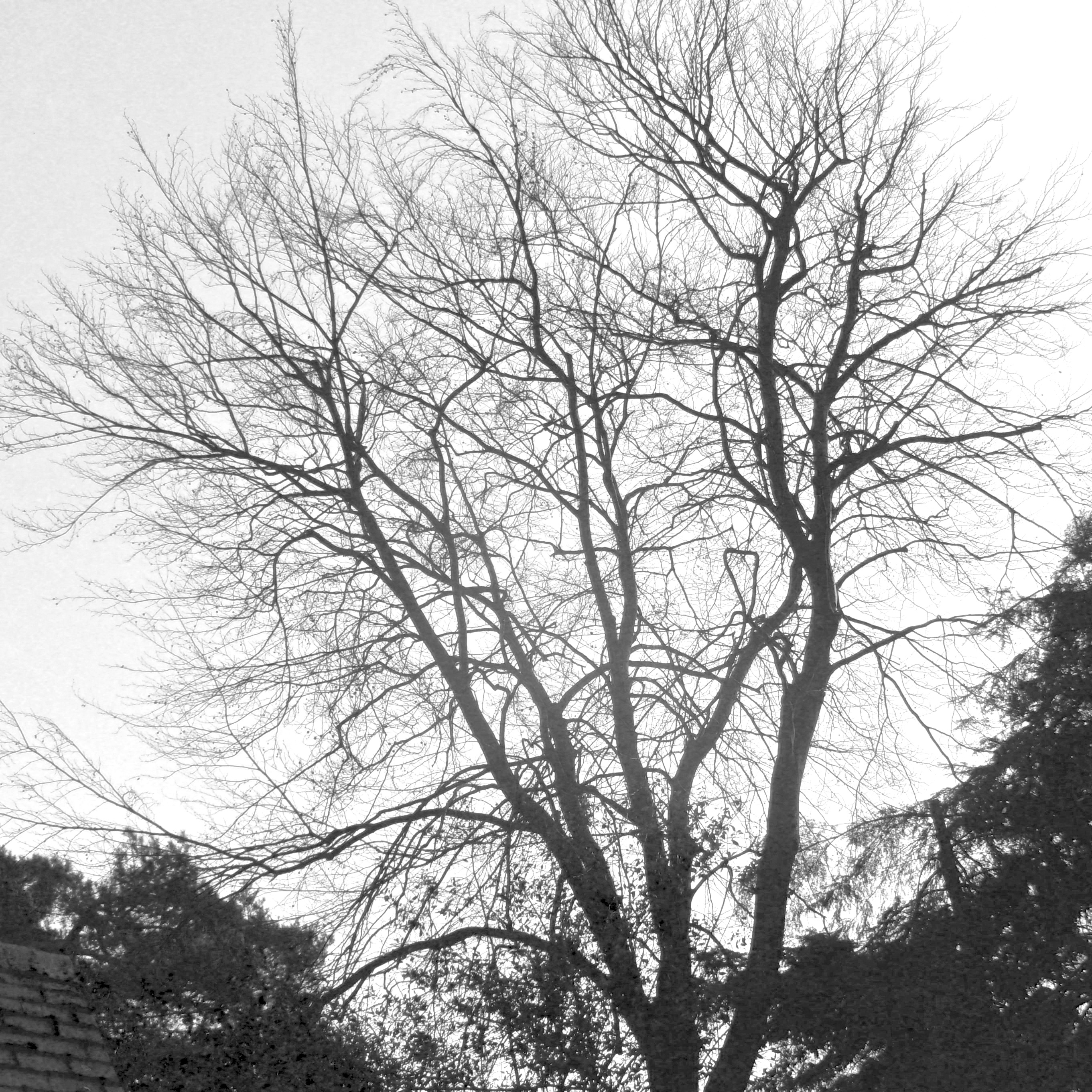
In the book “Conversations with Form” designPlay 7 is about the combination of different systems, stacked one upon the other into a coherent whole. For an introduction into the ramifications of this way of combining forms made from different systems and for varied examples of such combinations, see the book as mentioned.
In most cases the stacking is controlled by a single designer but this kind of systemic combination lends itself for an exciting and challenging designPlay as well. The attached pdf file introduces this particular interactive play.
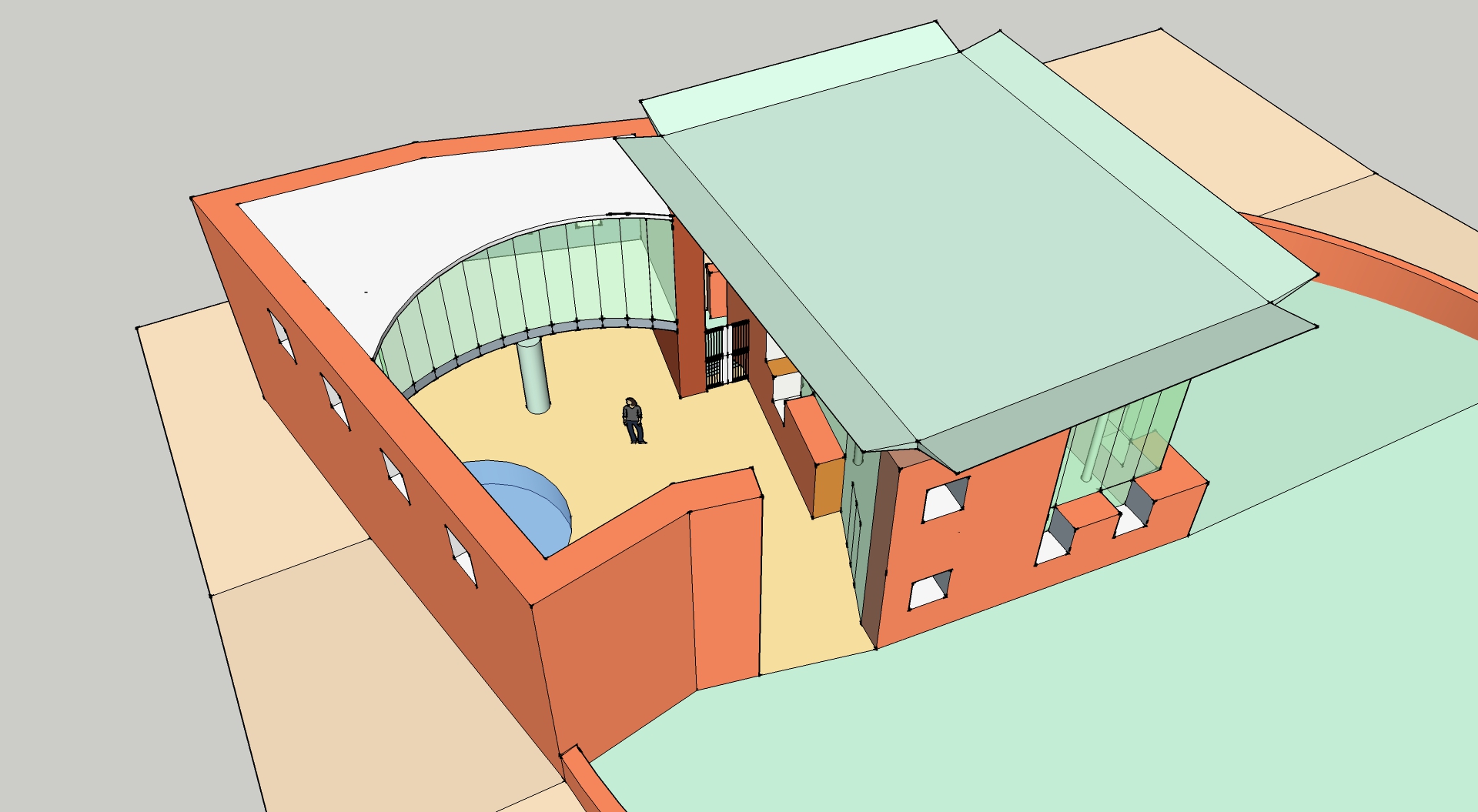
This post introduces an example Play where the base form is the ruin of an old Portuguese farmhouse and the player is asked not to alter the ruin other than add to it with contemporary materials and components to make a coherent whole. As usuals with DesignPlays no ‘program’ is given but the capacity for possible use should emerge from the form itself. The particular play example shown here touches on the issue of the combination of two or more architectural systems, each under control of a different designer. The challenge is to arrive at a coherent whole, where the handling of each of the systems is doing justice to its characteristic properties. In this case we have an interaction between designers who are separated in time and whereas the last designer must respect and enhance what is left of the earlier design.
A SketchUp model of the ruin is available under the category ‘baseforms’.
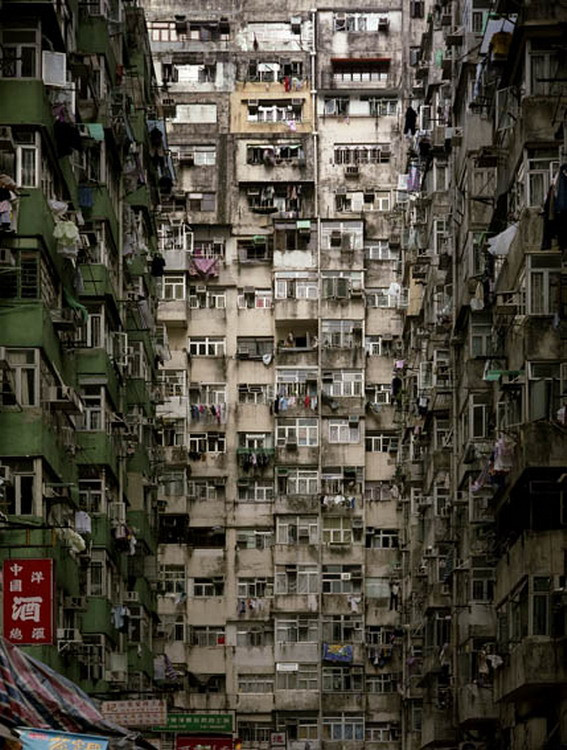
In this Hong Kong studio in 2012, we are asked to observe changes on Architecture elements in the city of Hong Kong and Harbin. While finish two of seventh thematic design plays in Professor Habraken’s new book “Conversations with Form, a workbook for students of architecture”