
About the magical moment of form creation.
Author
Rinus van den Berg

A moment in the life of a building
Today, Cable Factory is one of the major cultural centres of Helsinki. Focusing on the years 1989-91 when the industrial monument was in peril, architect Pia Ilonen reflects on the dialectic of use and vacancy, emptiness and appropriation, exploring the transformational cultural potential of free, underdefined space.

Buildings are made for people. In the post-war period of time it was the idea of collective and stable identities of groups of people that dominated our thinking in design. The results were mono-functional and rigid buildings and areas. Nowadays this idea has been left. We realize that we have to deal with an individualized and dynamic demand, due to large demographic changes and to technological developments. This has an enormous impact on the existing built environment. Because this existing stock satisfies more than 99% of existing and new demand for all kinds of housing. Open building is based on this point of view of ever changing individual demand. Therefore the future of open building resides in the renovation and transformation of the existing built environment.
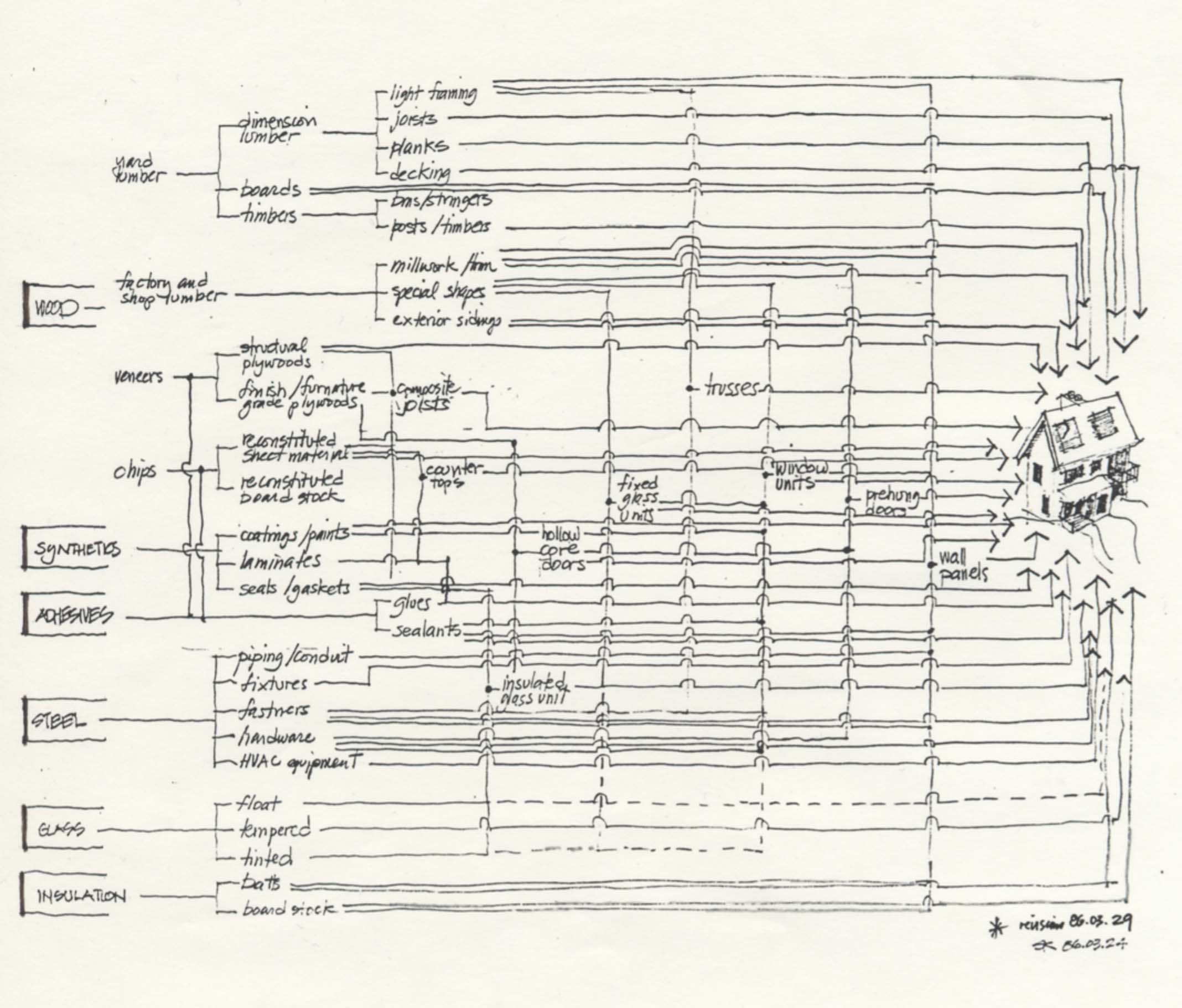
This essay is drawn from my PhD dissertation titled “CONTROL OF PARTS: Parts Making in the Building Industry”, completed as part of my doctoral studies at MIT, 1990
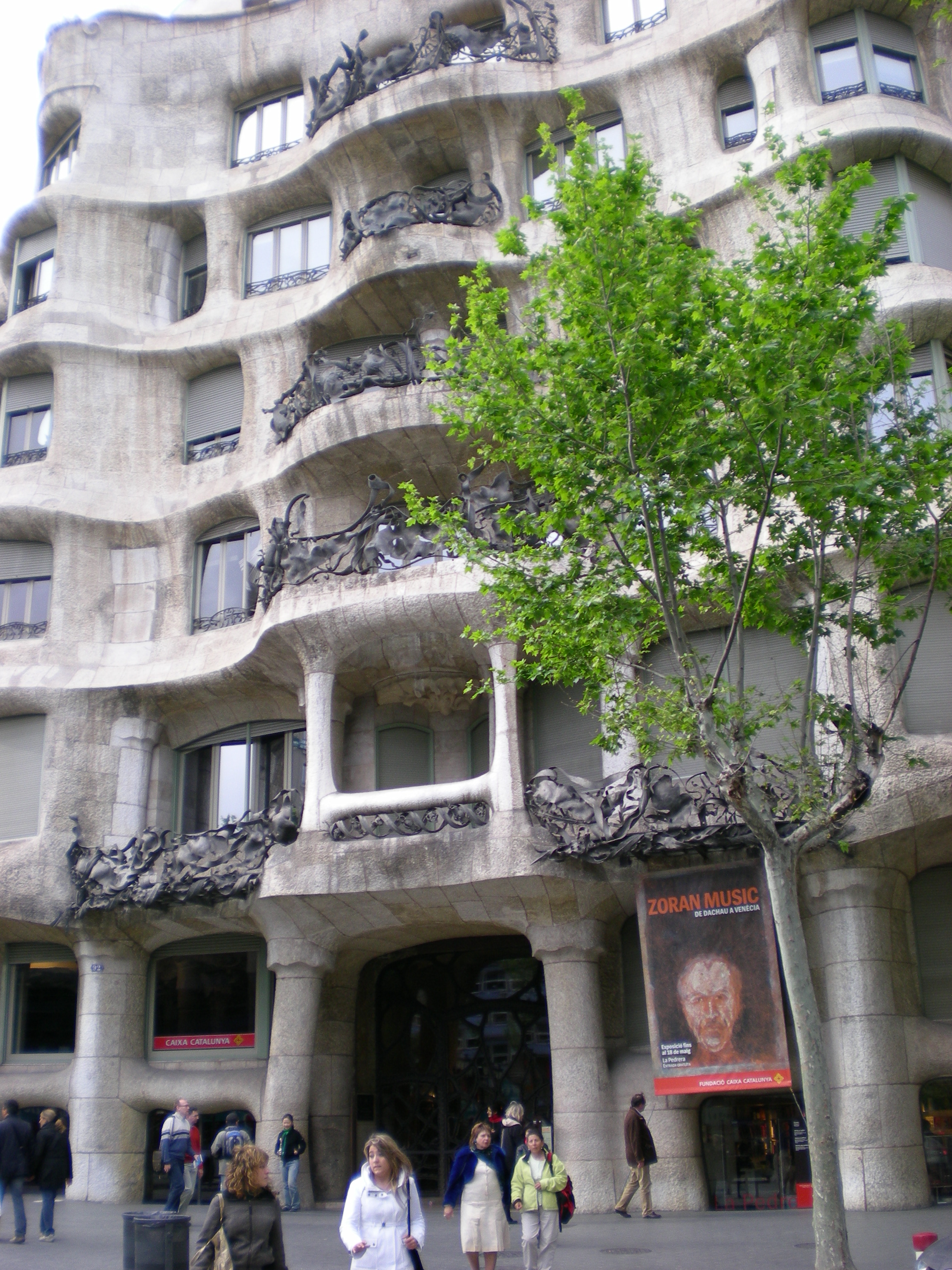
Everyday environments always have been highly thematic. We immediately recognise a Venetian Gothic Palace, an Amsterdam Canal House, A Georgian London Terraced House, or a Pompeiian Courtyard House as members of particular form families, inseparable parts of the urban fabrics that where shaped with them. (more…)
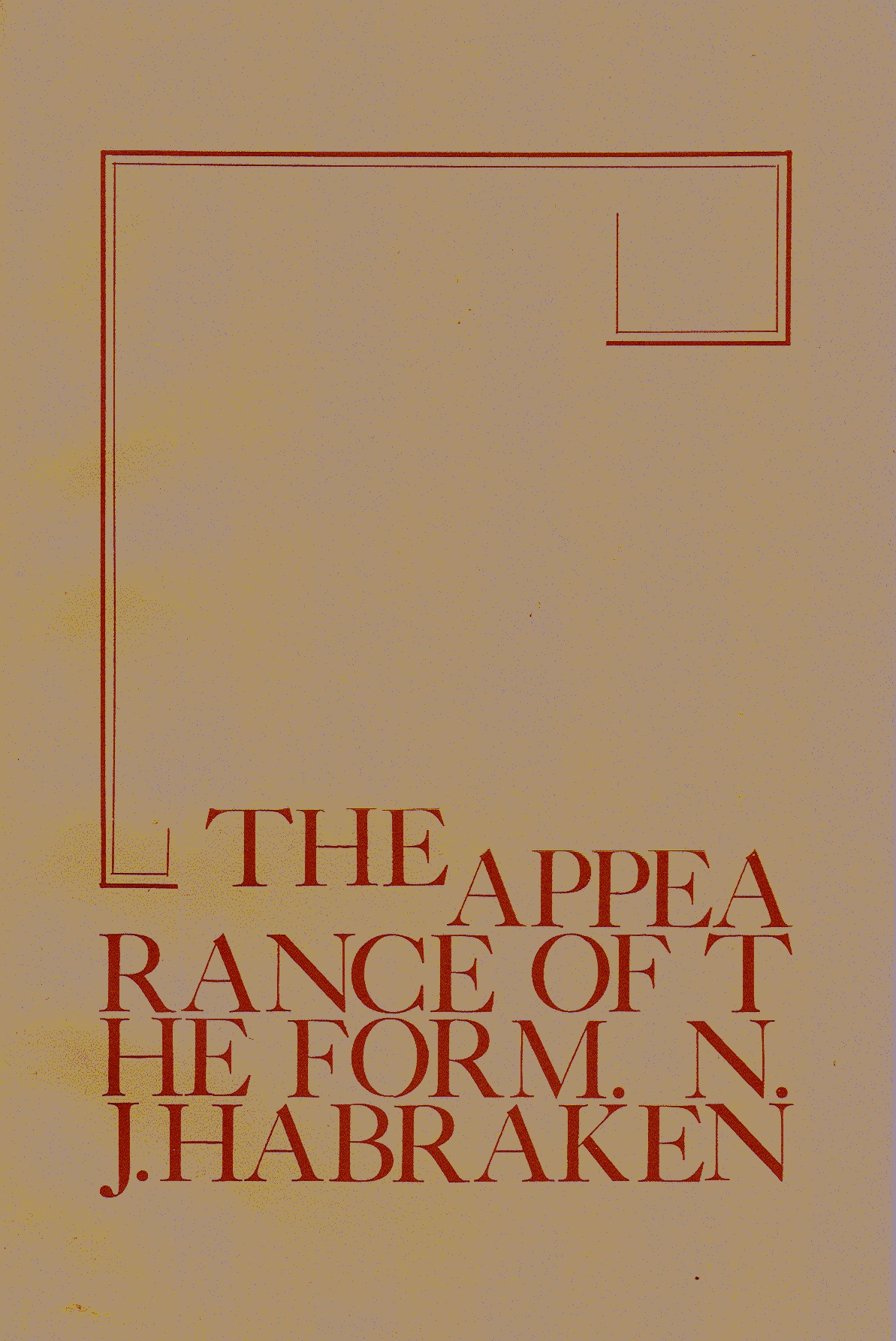
The subtitle of this small book is: “Four essays on the position designing takes between people ands things”.
Most things that we make and use cannot be identified with a single person as “the designer” as we know such a person today. They often are sophisticated and complex objects. The book is about how such objects emerge as the product of a social process of making and using.